The Artists Powering the TXTR Collection
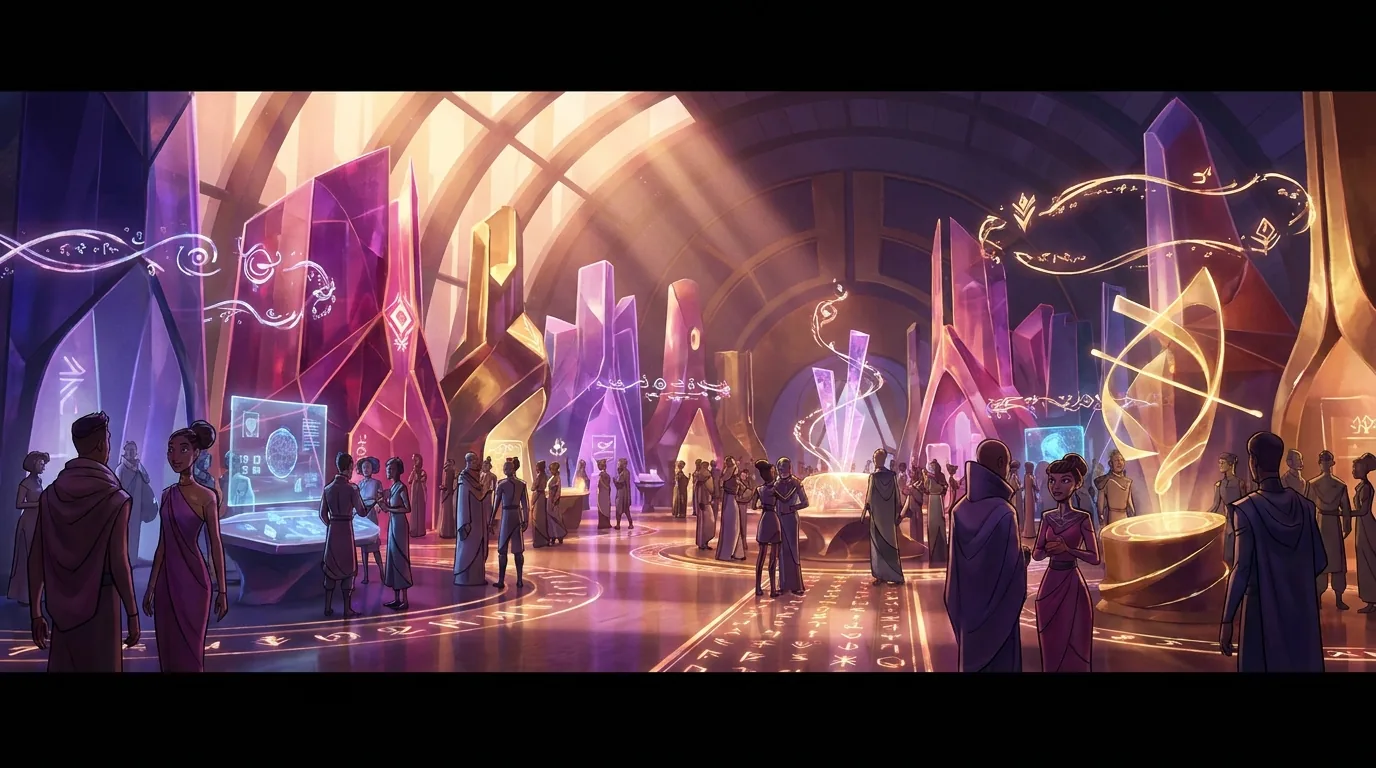
The SCCG Art Collection — known simply as TXTR — exists as more than a curated assembly of contemporary works. It is a living dialogue shaped by artists, mediums, and lived experiences that intersect across culture, technology, narrative, and emotion. Rooted in tactile expression and layered meaning, TXTR invites viewers to engage with art as conversation rather than conclusion.
Curated into three guiding themes — Pop Culture, Identity & Portraiture, and Experimental Abstraction — the collection emphasizes contrast, individuality, and creative exchange. Each piece contributes to a broader story where surface, depth, and perspective coexist.
A Tapestry of Artistic Voices
What defines TXTR is not uniformity of style, but diversity of origin. Many artists represented in the collection began their creative journeys beyond traditional fine art, bringing influences from music, literature, performance, and technology into their visual practices.
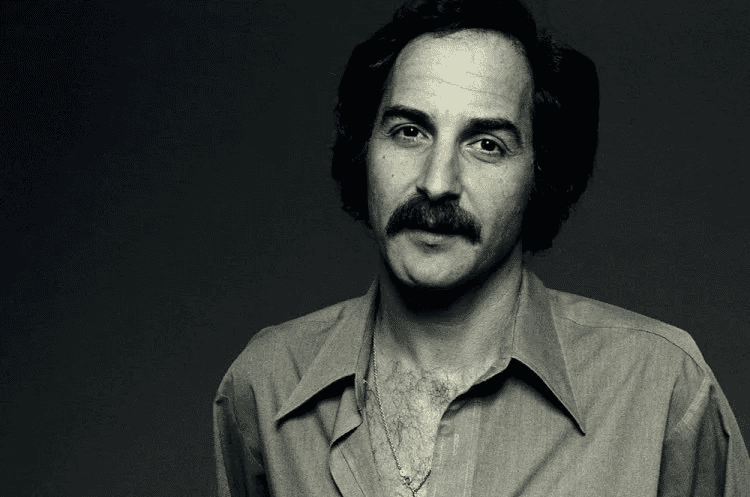
David Anderle, originally celebrated for his influence as a music producer and A&R executive, translates emotional intuition into portraiture that feels deeply psychological and human.
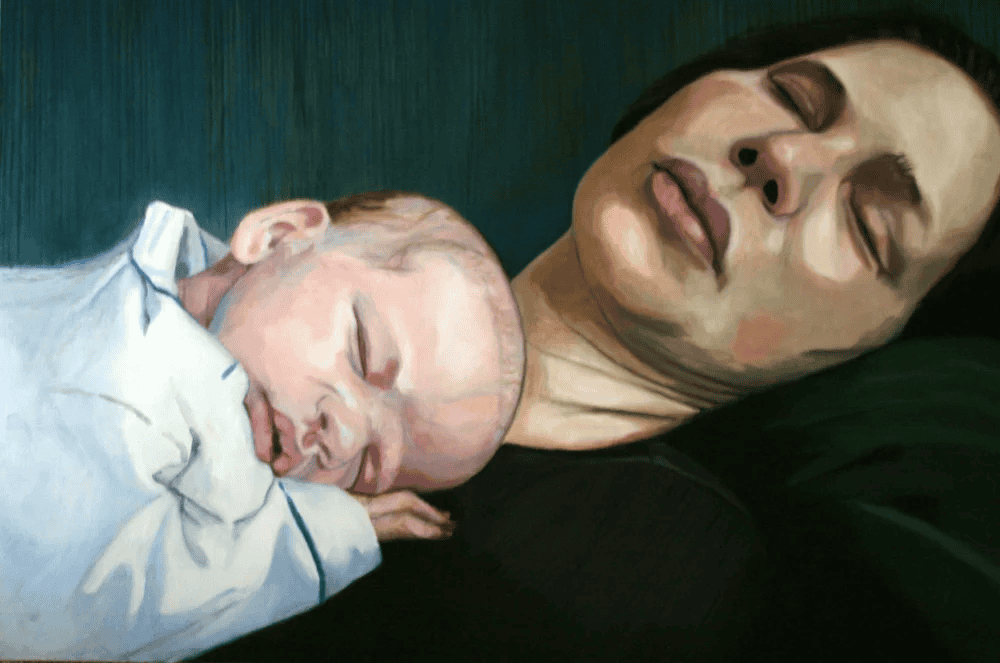
Noah Angell, a London‑based audio‑visual artist, merges sound, text, and imagery into narrated montages that transform viewing into an immersive, time‑based experience.

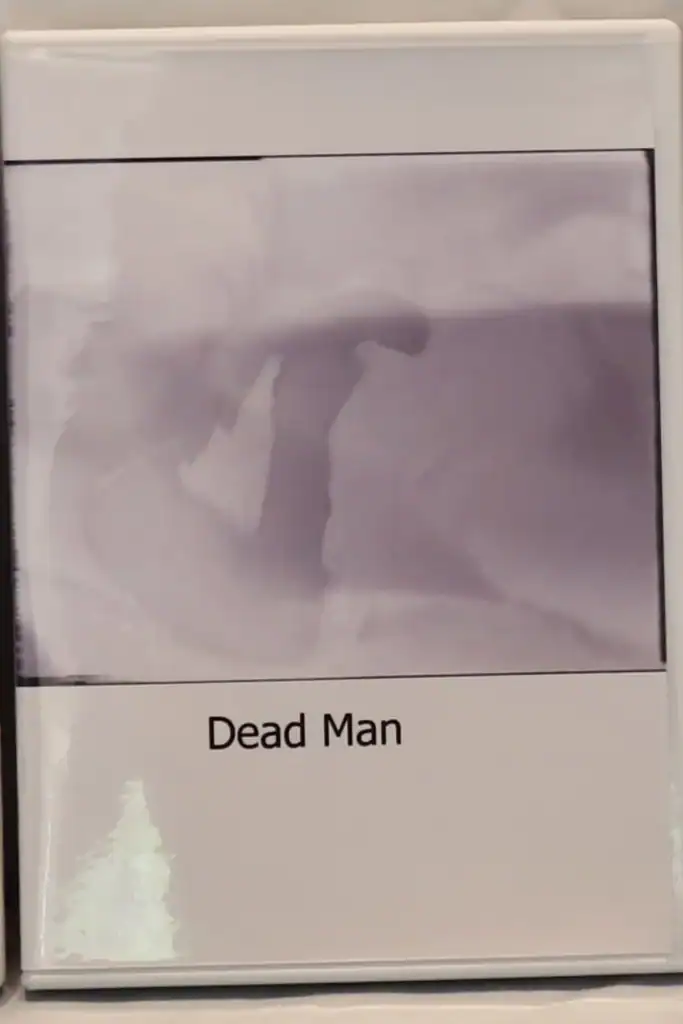
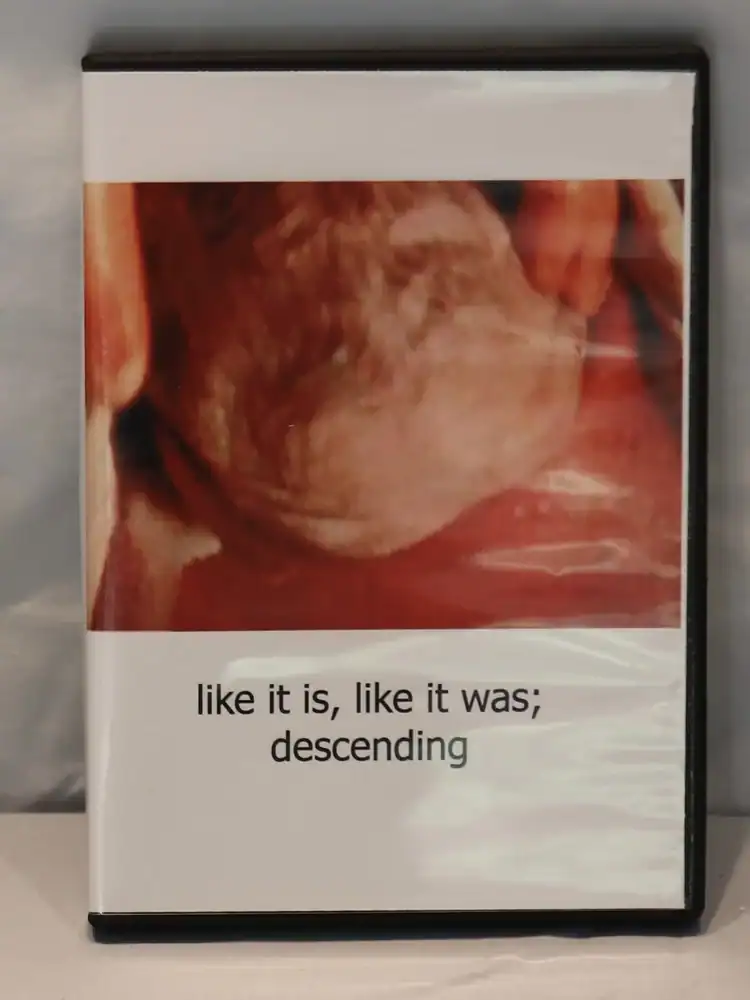



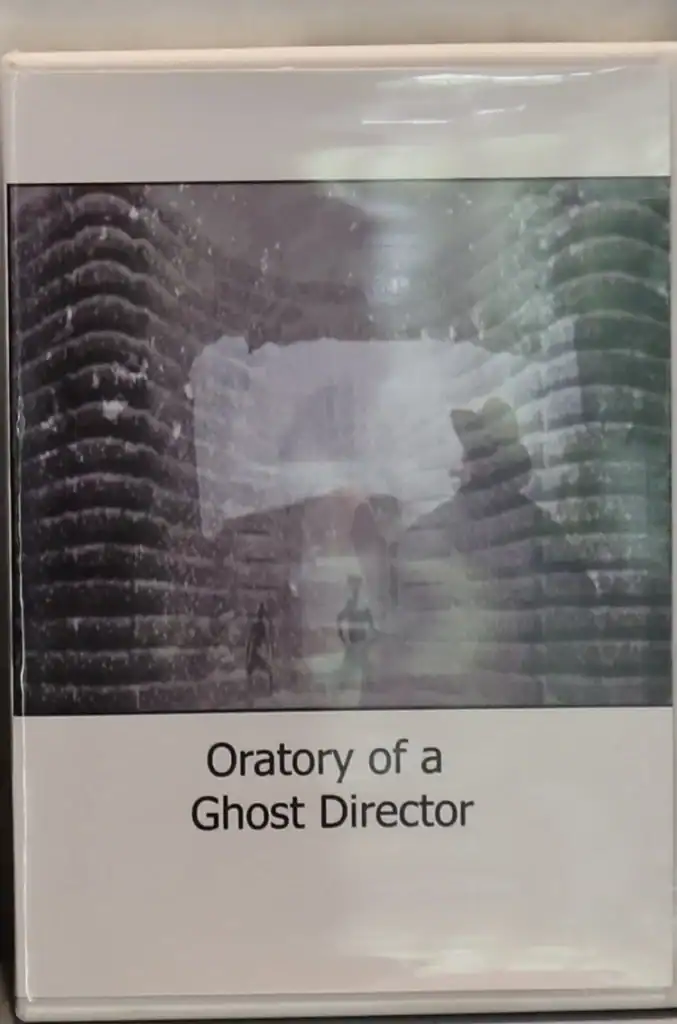
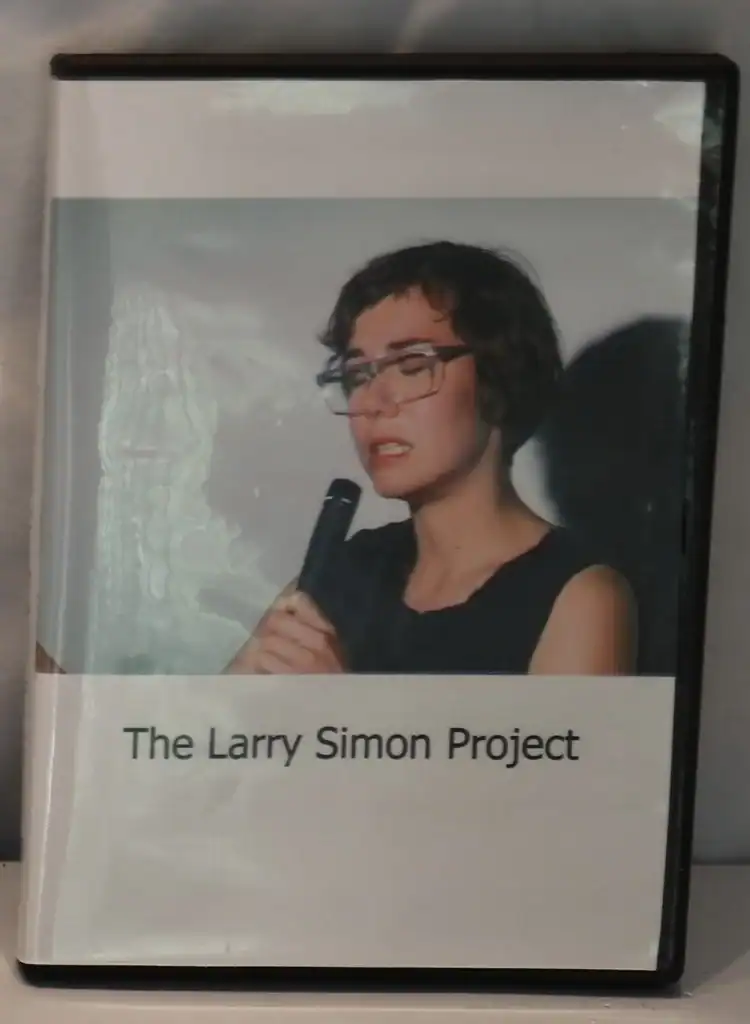

Clive Barker, whose career spans literature, film, and visual art, channels narrative intensity into surreal and mythic visual worlds.
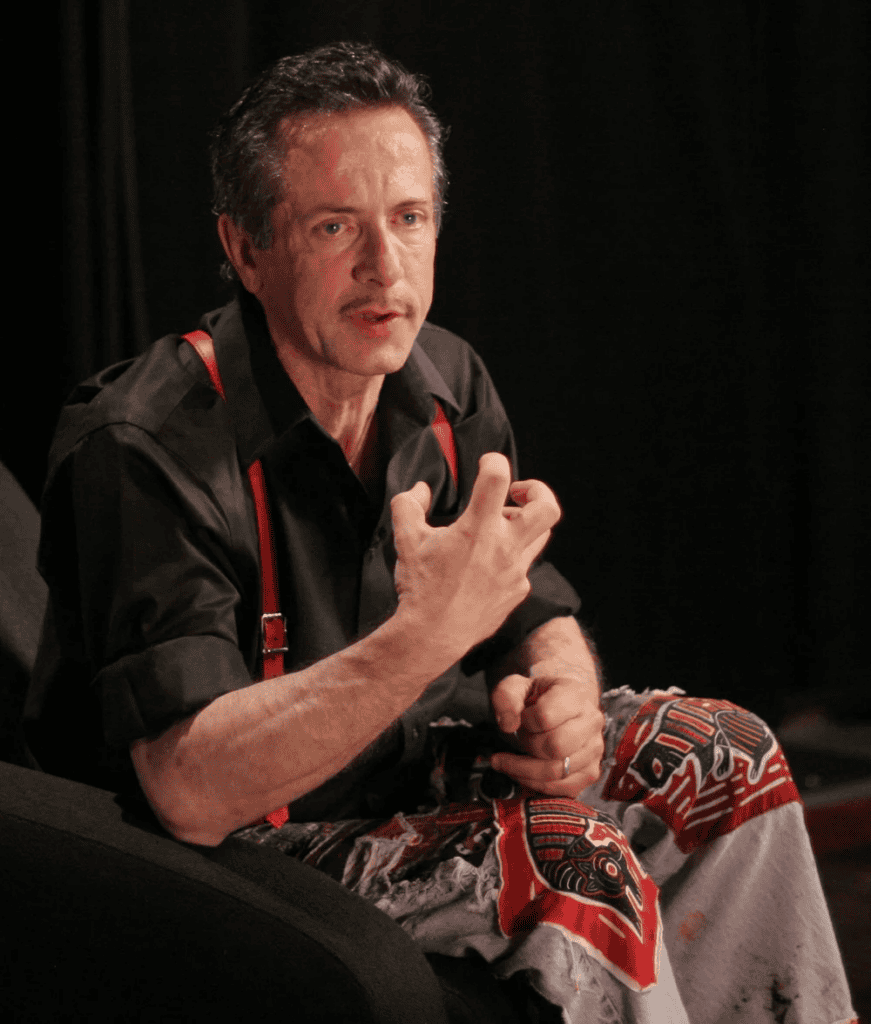
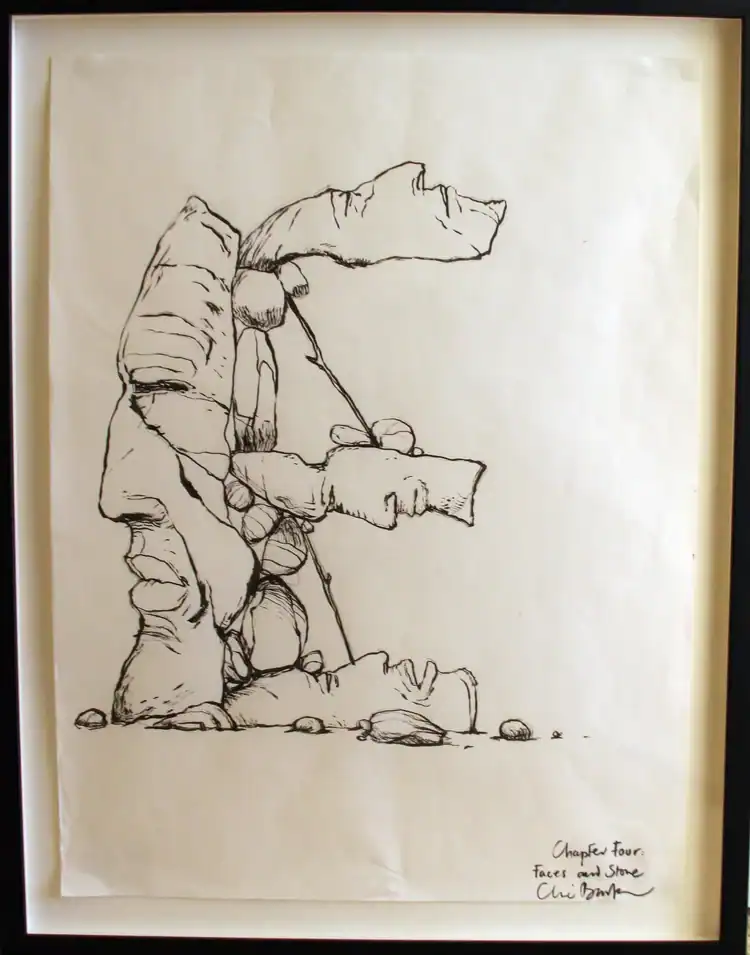
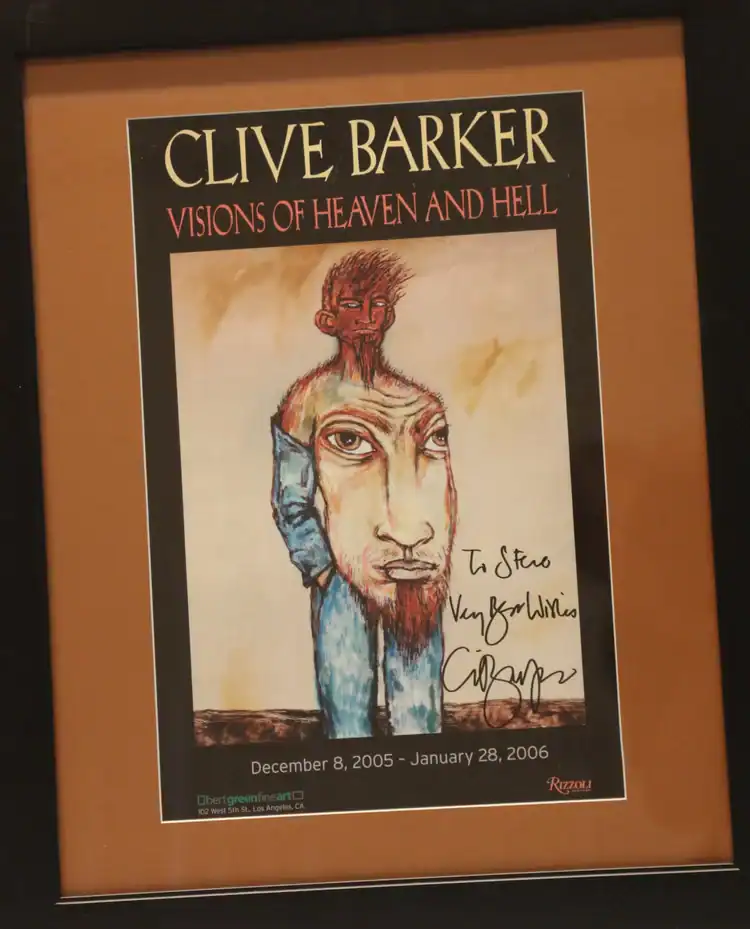
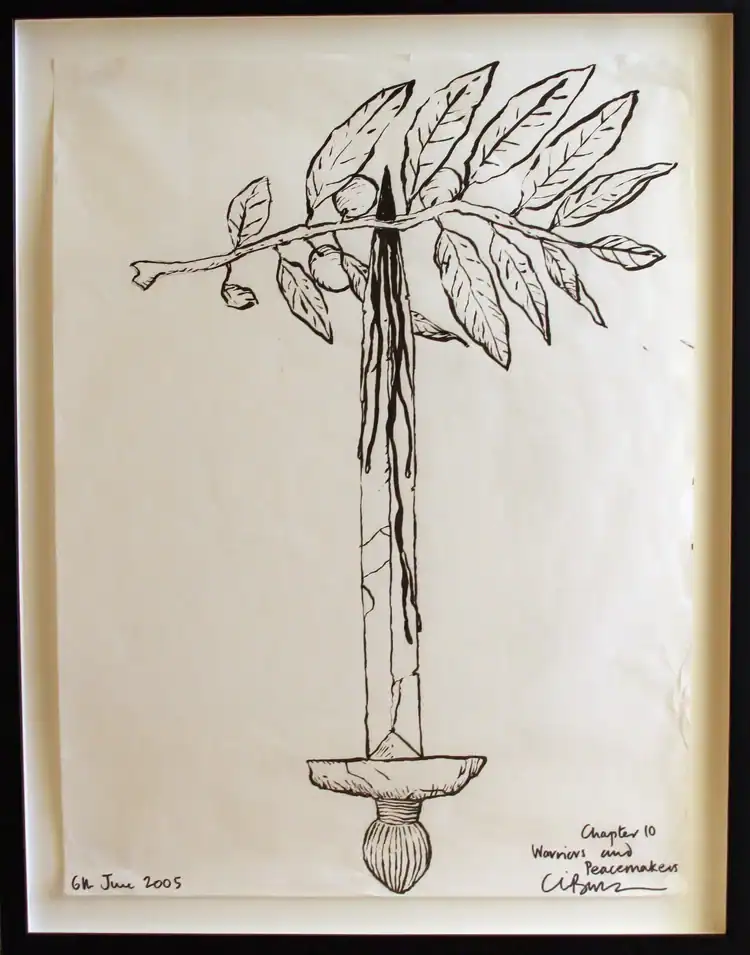
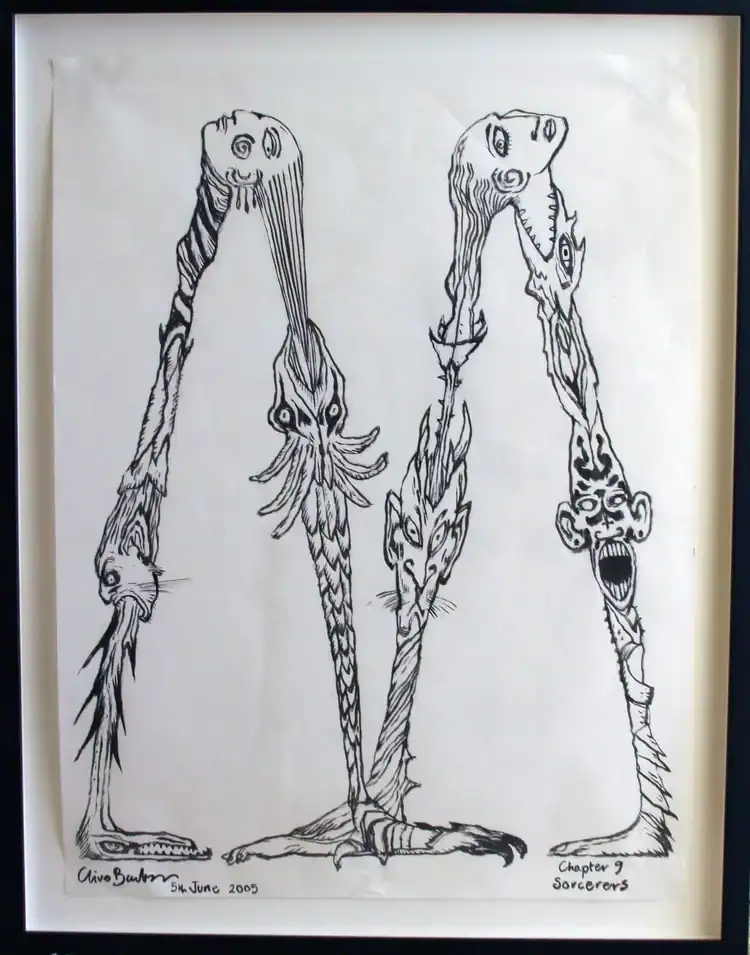
Together, these artists demonstrate that texture is not only material — it is emotional, experiential, and deeply personal.
Pop Culture Reframed
Pop culture within TXTR is not presented as nostalgia, but as critique and reinterpretation. Artists draw from familiar symbols only to subvert them — challenging assumptions about power, identity, and desire.
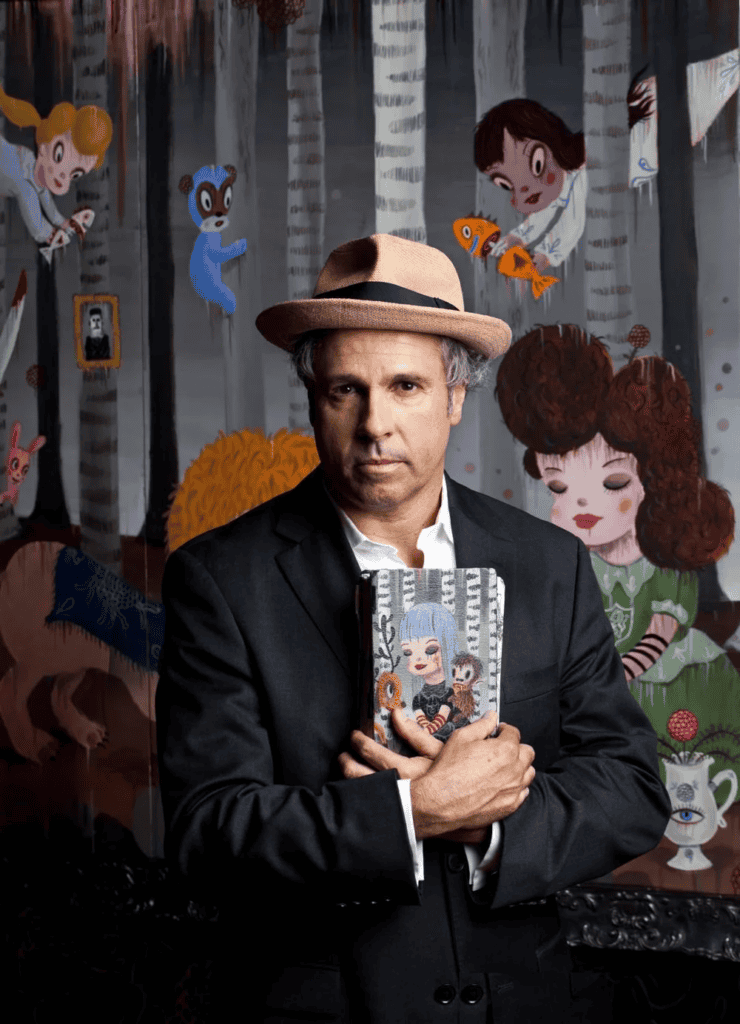
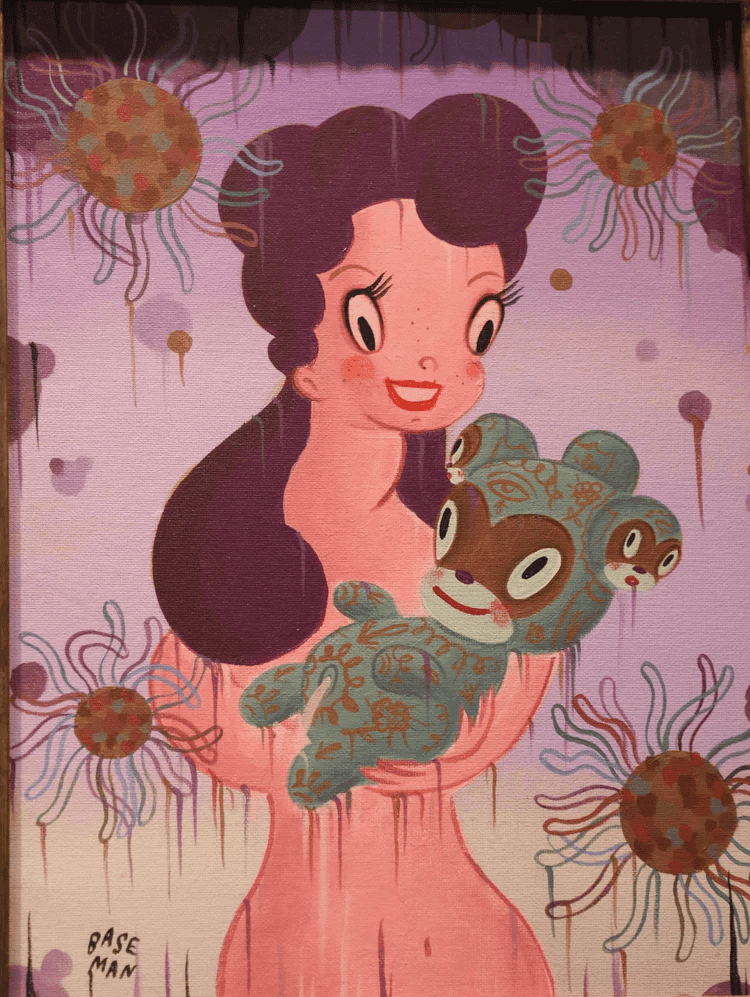
Gary Baseman’s playful yet introspective imagery bridges animation and fine art, embedding vulnerability beneath bold visual language.
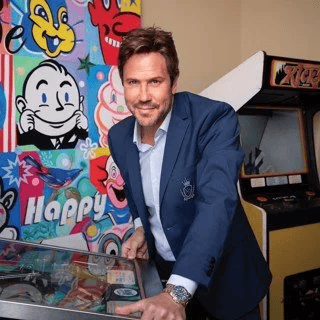
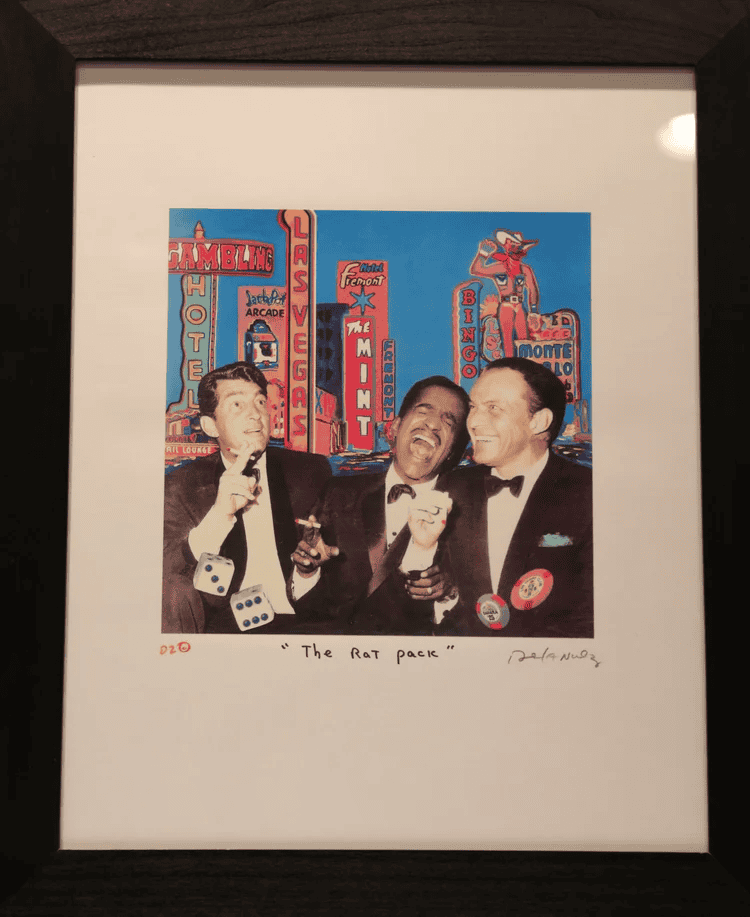
Nelson de la Nuez employs vintage advertising aesthetics to explore themes of excess, wealth, and aspiration, transforming iconic imagery into social commentary.
Kehinde Wiley reclaims classical portraiture by centering Black and brown subjects in heroic compositions, reframing art history through representation and visibility.
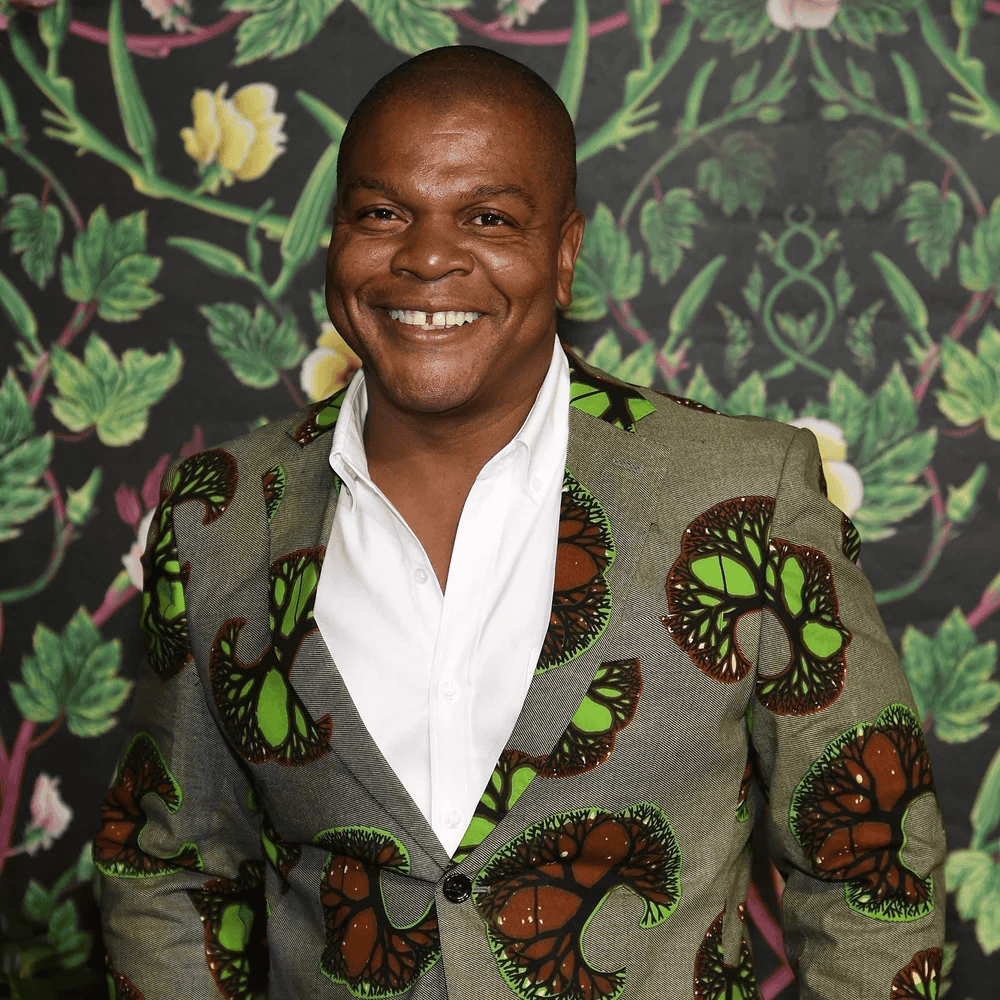
These works position pop culture as both mirror and provocation — inviting reflection on how collective identity is shaped.
Experimental Form & Material Innovation
TXTR also foregrounds artists who push beyond conventional media, expanding how art is experienced in space and time.
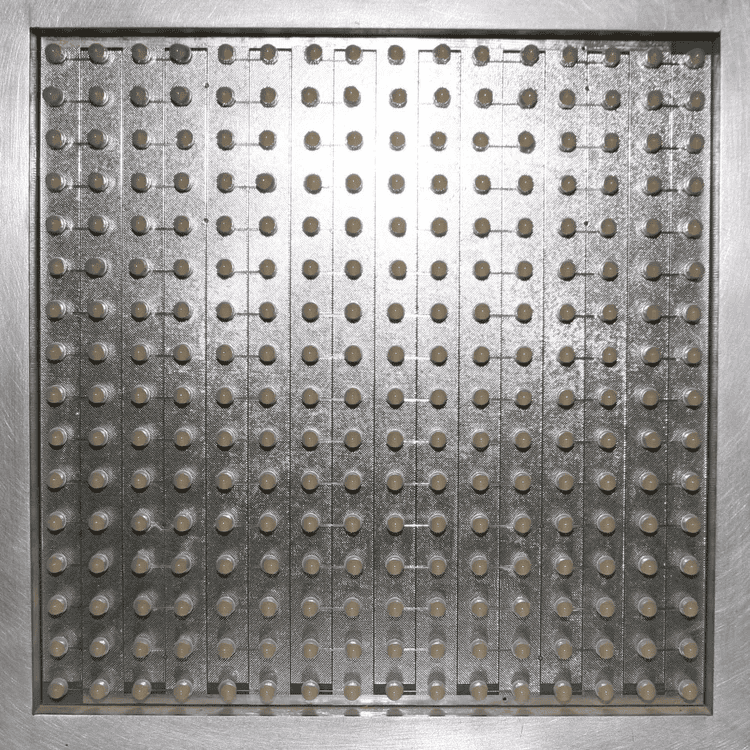
Leo Villareal’s light‑based works fuse technology, rhythm, and systems thinking, using code as an artistic language.
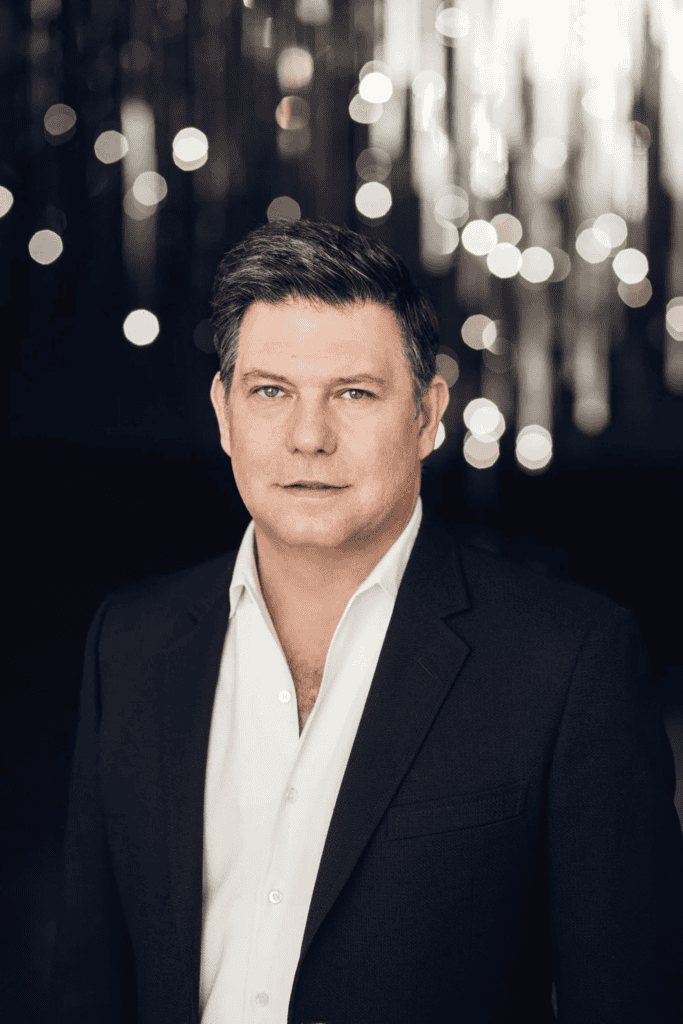
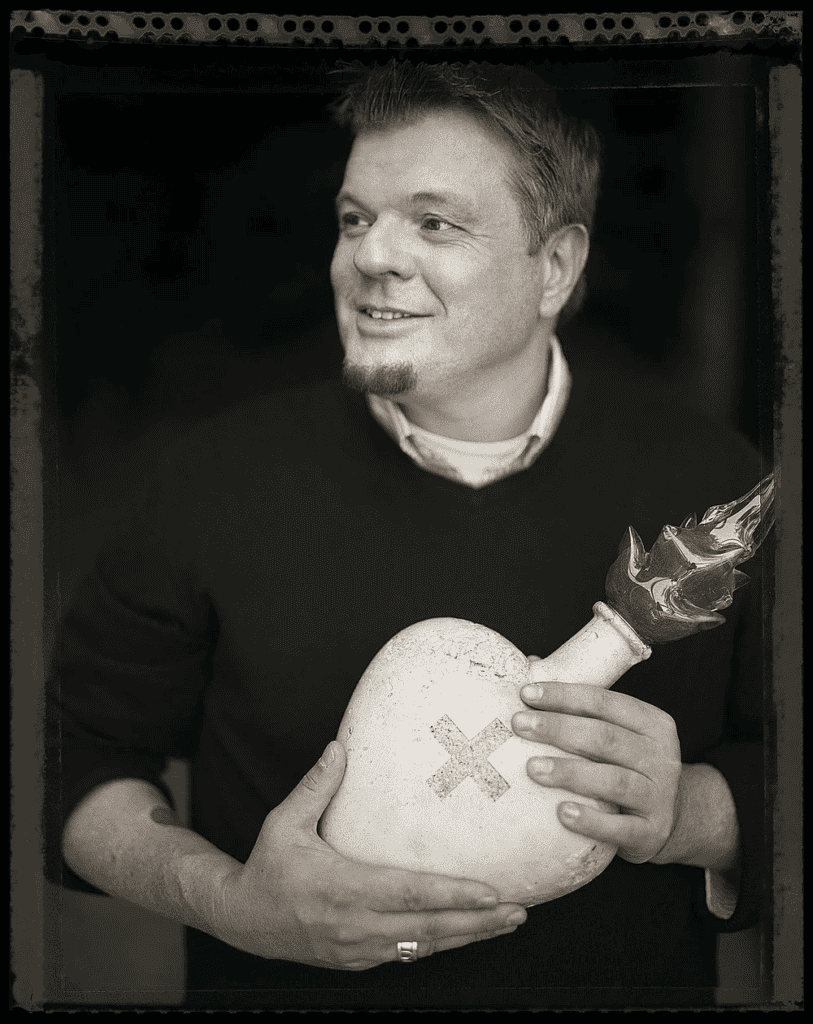
Tim Tate, co‑founder of Washington Glass Studio, explores memory and identity through luminous glass forms that emphasize depth and reflection.
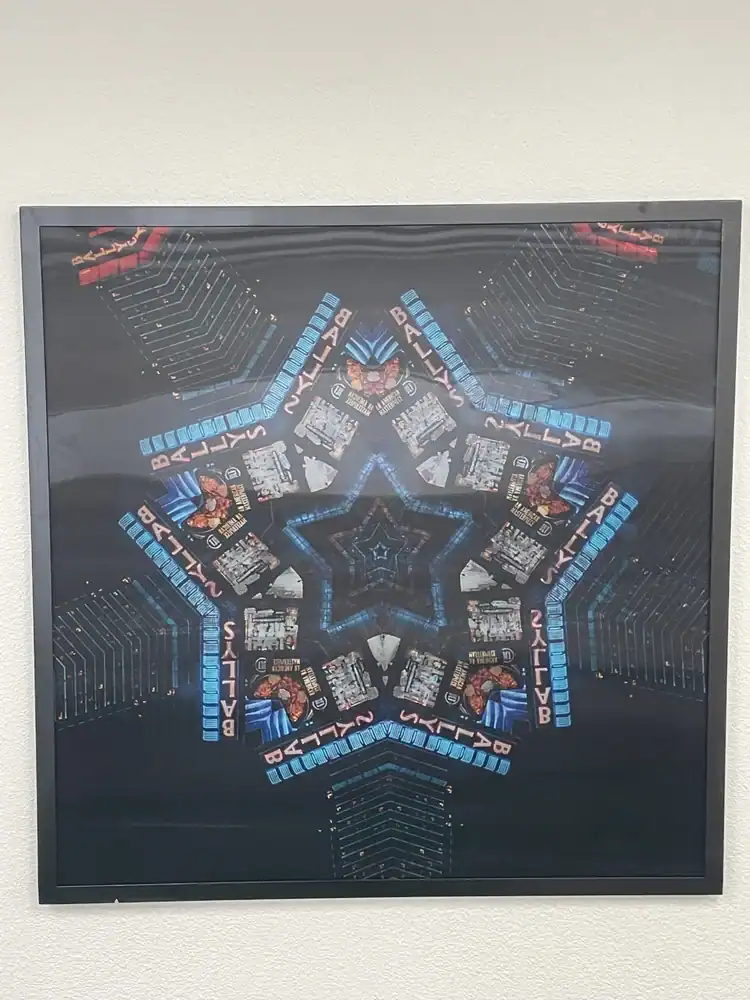



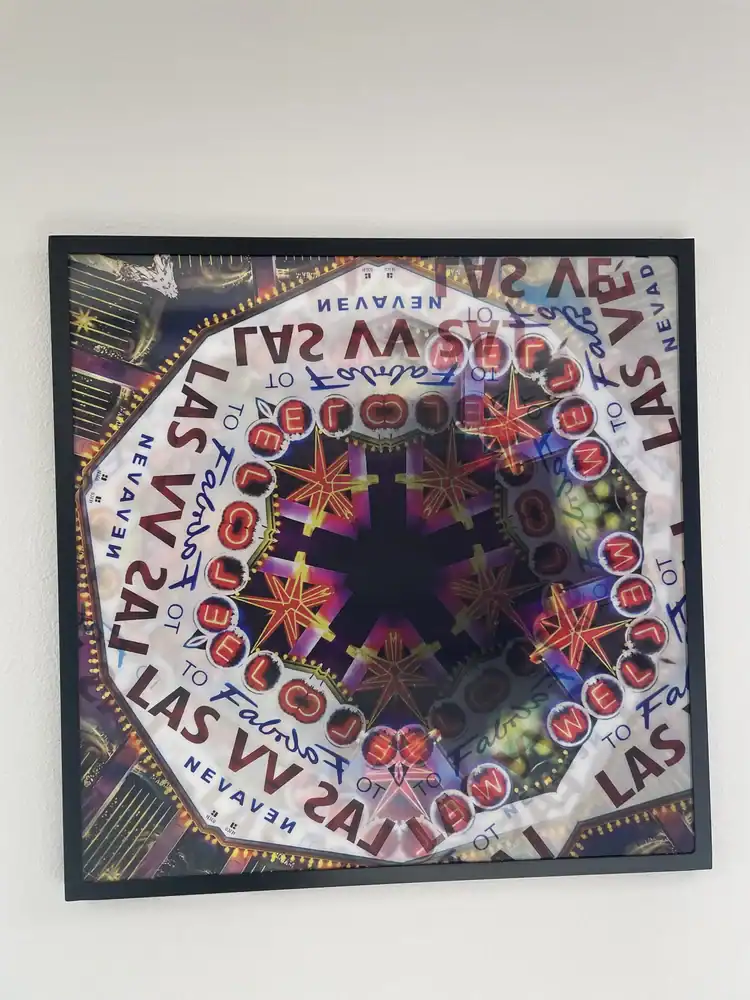
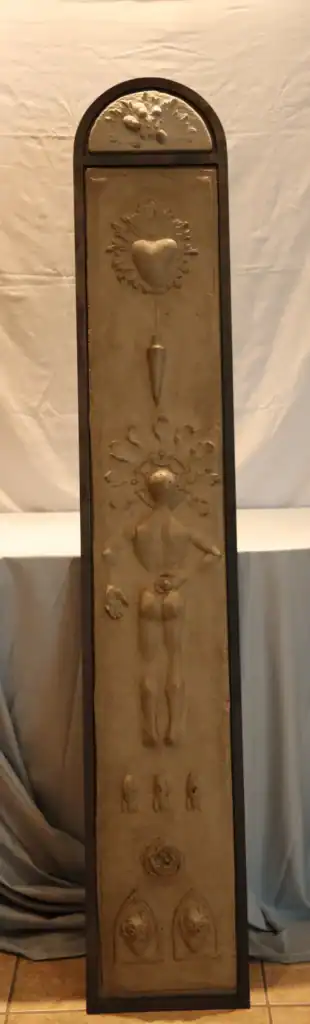
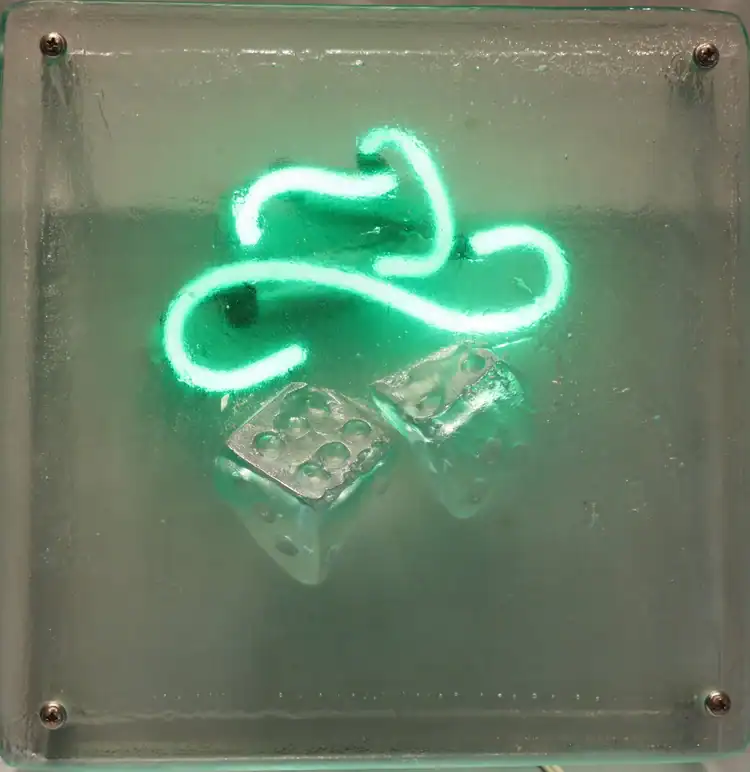
Sheila Crider and Jose Ruiz approach art conceptually, using text, symbolism, and curatorial framing to engage cultural dialogue and intellectual inquiry.

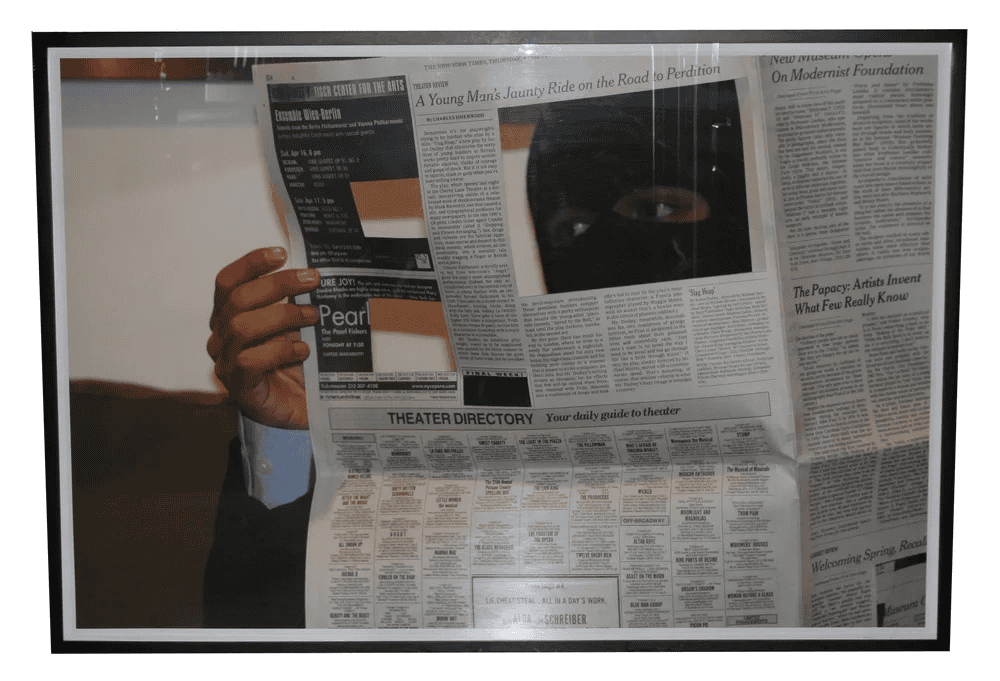
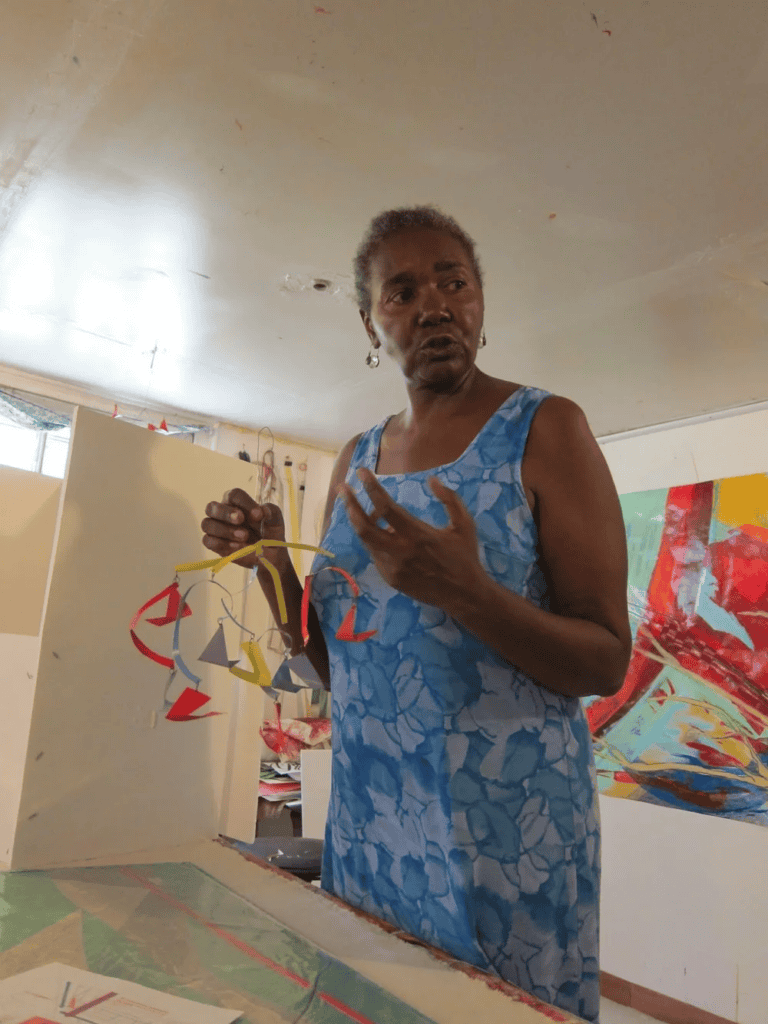
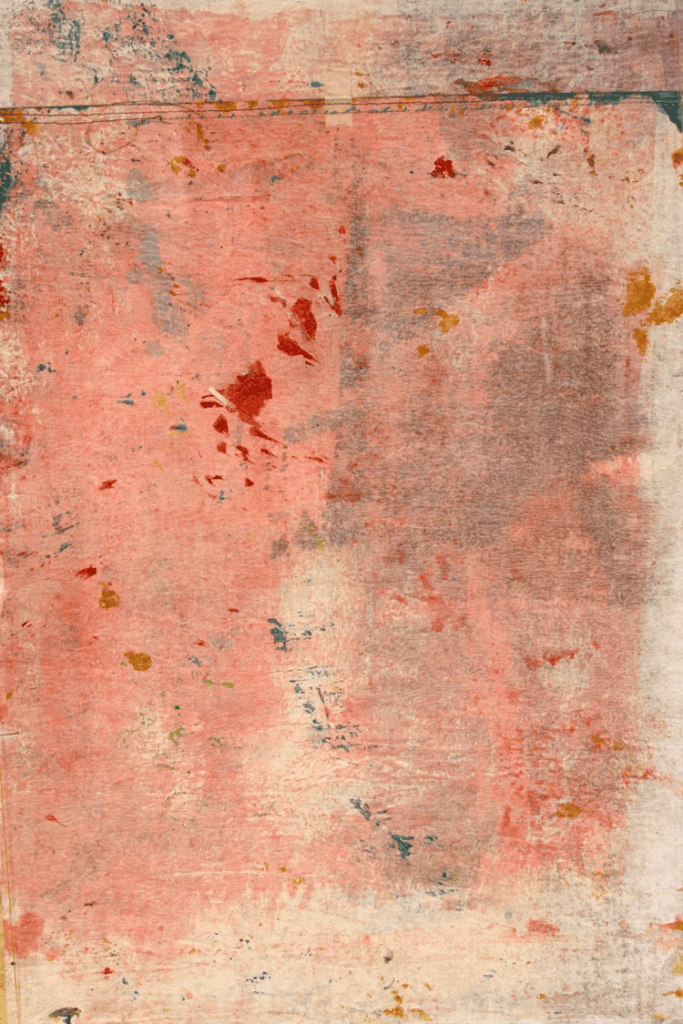
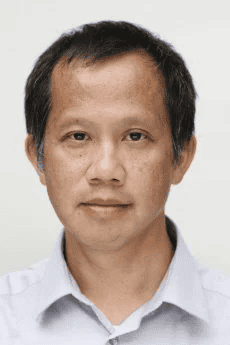
Documentary photographer Chan Chao grounds the collection in lived reality, capturing human narratives shaped by political and cultural context — adding quiet intensity and truth to the broader visual conversation.
A Curated Philosophy
TXTR reflects the vision of Stephen A. Crystal, Founder and CEO of SCCG Management, whose decades‑long journey as a global entrepreneur and former casino owner has been shaped by cultural exposure, storytelling, and perspective. For Stephen, art functions as a bridge — a way to step into another viewpoint and gain insight beyond data or strategy.

He often describes the collection using words such as Tangible, Emotional, Explosion, Ultimate, Resourceful, and Entertaining — expressions that capture the vibrancy and depth of TXTR. What began as a personal passion has evolved into a curated environment that enriches SCCG spaces and sparks conversation.
Texture as Ongoing Dialogue
This chapter of the SCCG Art Collection reinforces a core belief: creativity thrives where disciplines intersect, and growth emerges through exposure to diverse perspectives. By spotlighting the artists’ voices, processes, and mediums, TXTR positions art as an active force — one that challenges, connects, and inspires.
In TXTR, art does not sit silently. It speaks through layers, invites dialogue, and continues to evolve — just as culture, leadership, and creativity do.
We're building cultural currency through art that speaks across music, tech, and identity—assets that matter to forward-thinking operators.
At SCCG, we know the gaming and entertainment world moves on more than odds and content—it moves on culture and connection. TXTR taps artists who bridge music, performance, and visual storytelling. That's the language your guests speak. We're curating dialogue, not just decoration.
- TXTR organized around three themes: Pop Culture, Identity & Portraiture, Experimental Abstraction
- Artists like David Anderle bring music, tech, and performance backgrounds into visual work
- Collection frames art as conversation and lived experience, not static commodity
SCCG angle: We work with 150+ partners across regulated markets—we know which operators are winning with cultural programming. TXTR connects you to artists and curators who understand your audience's appetite for authentic, layered creative expression. Let's talk about how this lives in your venue.
Gaming, betting and prediction markets — the desk’s read, every weekday.
Subscribe →