Brazil’s Strict New Sports Betting Advertising Rules Raise Compliance Questions for Licensed Operators

Brazil is mandating cigarette-style warnings on all sports betting ads and banning pressure tactics, commentator recommendations, and investment portrayals. Enforcement has already blocked 2.8 million welfare recipients and over 25,000 illegal sites. California tribes meanwhile target a 2028 sports betting ballot while protecting sovereignty from prediction market challenges.
SCCG Take — These steps will elevate compliance costs for licensed operators and widen the licensed-illegal gap unless enforcement against gray markets intensifies. Client-partners should redesign marketing now and engage regulators to ensure balanced implementation that sustains regulated growth.
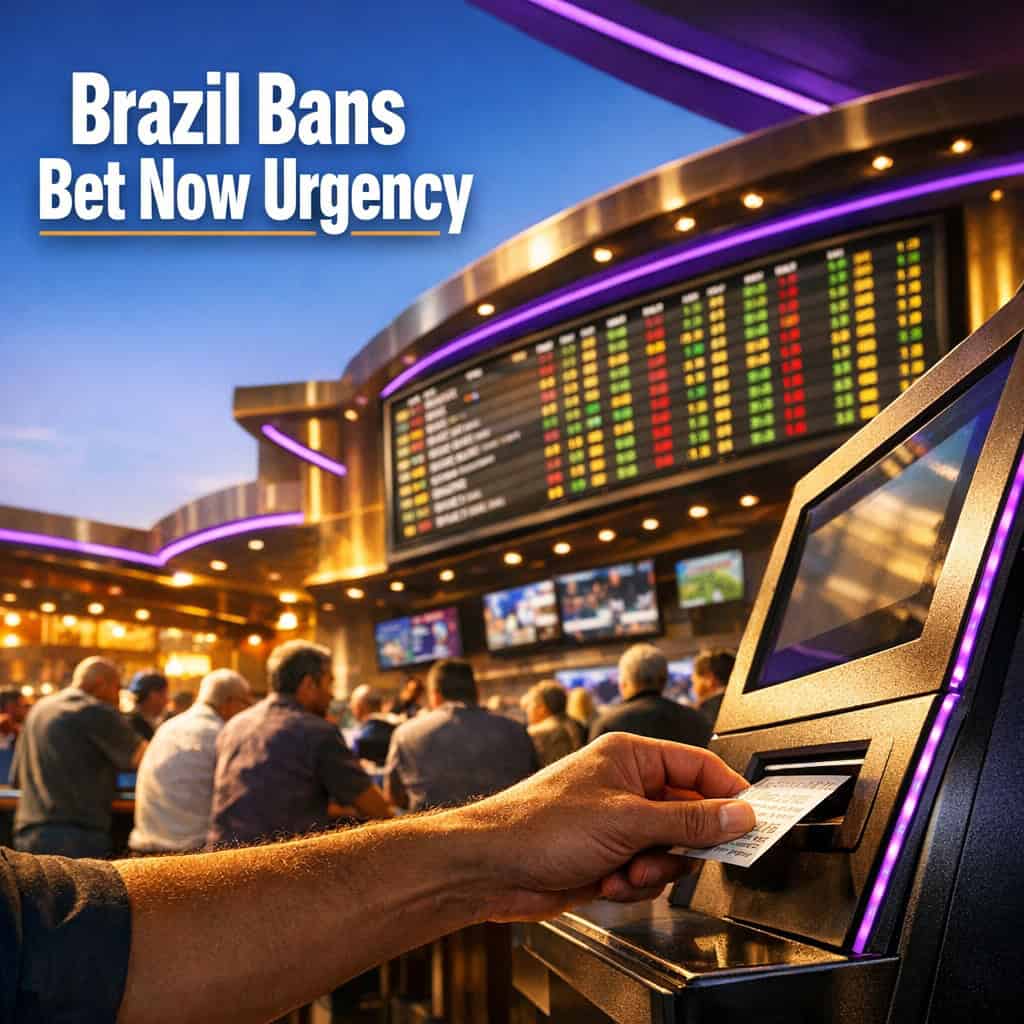
Brazil’s Strict New Sports Betting Advertising Rules Aim to Curb Harm but Raise Compliance Questions for Licensed Operators
Key Takeaways
- Mandatory Health Warnings: All licensed betting advertising must prominently display messages including “betting makes you lose money,” “betting can cause addiction,” and “betting is not an investment.”
- Prohibited Tactics: Urgency cues such as “bet now,” portrayals of betting as income supplementation or investment, and commentator recommendations during live sports coverage are banned.
- Enforcement Data: More than 25,000 illegal betting websites blocked, hundreds of influencer profiles removed, and access cut for 2.8 million welfare recipients representing 10.4% of 27 million covered by Bolsa Família and BPC programmes.
- Sanctions: Licensed operators face fines up to 20% of revenue, suspensions of up to 180 days, or permanent licence loss; media firms risk BRL 14 million penalties.
Brazil has blocked access for 2.8 million welfare recipients under Bolsa Família and the Continuous Cash Benefit (BPC) programmes. This figure equals 10.4% of the 27 million people covered and 11.2% of the roughly 25 million Brazilians who placed at least one bet in 2025. According to G3 Newswire, these blocks enforce a Supreme Federal Court ruling barring social-programme funds for gambling.
The same reporting shows authorities have blocked more than 25,000 illegal betting websites and removed hundreds of influencer profiles. More than 925,000 people have registered on the centralised self-exclusion platform. These numbers illustrate the scale of current enforcement as the government layers on new advertising restrictions.
Mandatory Warnings and Banned Advertising Practices
Finance Minister Dario Durigan outlined new ordinances requiring prominent warnings in every advertising format from TV and radio to online and digital platforms. The three compulsory messages directly counter campaigns that frame wagering as easy money, financial planning, or supplementary income.
Licensed operators must eliminate urgency cues such as “bet now” messages or implications that offers will disappear without immediate action. They cannot present betting as an investment product, household income top-up, or solution to financial difficulties. Past payouts or high-value wins are prohibited as promotional hooks because they mislead consumers on the probability of gain.
The restrictions reach live sports broadcasts. Commentators, analysts, and broadcast professionals cannot recommend specific bets or odds. Durigan argued it is not acceptable for specialists to guide viewers toward wagers under the guise of technical commentary.
Crackdown on Illegal Operators and Welfare Safeguards
A separate ordinance prohibits media outlets from promoting unlicensed platforms. Durigan stressed a “zero tolerance” approach to illegal betting. Both platforms and those who promote them face expanded administrative sanctions.
Licensed operators must run fortnightly checks on customer databases using the Sigap system operated by Serpro. The system returns a clear “blocked” or “not blocked” status based on CPF tax ID. While currently limited to Bolsa Família and BPC beneficiaries, the law also covers public servants, professional athletes, referees, and diagnosed gambling disorder patients who must self-declare.
Industry representatives note a persistent gap. Self-excluded users and blocked beneficiaries can still reach illegal sites that pay no R$ 30 million licence fee, contribute no tax, and ignore advertising rules or the centralised self-exclusion system.
Warnings from the Legislative Hearing on Gambling Harm
A concurrent hearing before the Chamber of Deputies Sports Committee, as reported by G3 Newswire, heard researchers and health experts link the volume of betting advertisements to rising debt and mental-health problems. Psychiatrist Leonardo Carriço compared the current stage of betting publicity to the era of unrestricted cigarette advertising.
“The blatant exposure in sports and in all other social spheres ends up producing the impression that it is a 100% normal activity, free of risks,” Carriço told lawmakers. He cited estimates of 1.4 million Brazilians diagnosed with gambling disorder and around 11 million with risky gambling behaviour.
Researcher Kelly Noronha urged weighing public health system costs against tax revenues. “Are we really profiting from this or are we passing on a much larger bill to society?” she asked. Committee president Saulo Pedroso, who sponsors Bill 1212/25 to prohibit all such advertising, warned the volume runs counter to regulation’s protective aims.
California Tribes Reaffirm 2028 Sports Betting Push Amid Prediction Market Pressures
Separate coverage shows parallel regulatory activity elsewhere in the Americas. According to World Casino News, California tribal leaders reaffirmed plans for a statewide, tribally led online sports betting ballot initiative in 2028. The effort seeks equitable participation among all 109 federally recognized tribes while protecting tribal sovereignty against emerging challenges from federally regulated prediction markets.
During a panel at the National Council of Legislators from Gaming States Summer Meeting in San Diego, California Nations Indian Gaming Association (CNIGA) Chair James Siva confirmed, “Yes, yes, we’re still very much looking” at the initiative. This development underscores how sovereignty and market access questions surface across jurisdictions as betting verticals evolve.
This context aligns with broader calls for clear frameworks. As @StephenACrystal posted on X: “SCCG Management is tracking the proposed bipartisan bill targeting sports betting on prediction markets like Polymarket & Kalshi. As event contracts evolve, clear regulatory guardrails matter. Operators & tribes should stay compliant and help shape balanced policy.”
What Combined Coverage Underemphasizes: Compliance Costs Versus Illegal Market Realities
The multiple G3 Newswire reports and related coverage thoroughly document the new rules and supporting data. Yet they devote less attention to the practical burden on licensed operators who must redesign every campaign, audit influencer content, and absorb potential 20% revenue fines or 180-day suspensions.
From an operator and investor lens, these measures will raise compliance costs at the very moment licensed platforms already pay the R$ 30 million licence fee and run mandatory exclusion checks. Illegal operators face none of these constraints. The result could widen the competitive imbalance the regulations intend to close, particularly across LATAM markets where gray-market access remains straightforward.
The coverage also stops short of detailing how contracted influencers will be monitored in practice or how media outlets will adapt to BRL 14 million consumer-protection fines. These operational questions will determine whether the framework strengthens the regulated sector or simply shifts volume underground.
The Competitive Calculus for Licensed Operators in Brazil
Brazil’s simultaneous push for consumer warnings, commentator neutrality, and welfare exclusions reflects a serious attempt to align regulated betting with public health priorities. The scale of enforcement already visible in website blocks and account removals demonstrates regulatory seriousness.
The real test lies in execution. Licensed operators and their client-partners must now build marketing compliance into every channel while illegal sites continue without equivalent overhead. Getting this balance right will determine whether the regulated market can grow sustainably or whether players simply migrate to less accountable platforms.
SCCG Management continues to advise operators and investors on LATAM market entry and regulatory positioning. Clear, proportionate rules that are evenly enforced offer the best foundation for long-term sector development.
Reporting: Brazil to tighten rules on sports betting advertising (g3newswire.com)
Brazil's strict ad rules raise compliance costs for licensed ops; enforcement against illegal sites must match to avoid driving players underground.
Brazil is setting the template for LatAm responsible gambling enforcement. We've been on the ground through every major market launch — these rules will reshape creative, media buys, and influencer partnerships across the region. Operators who don't redesign now risk fines up to 20% of revenue or losing their license entirely.
- All ads must display warnings like "betting makes you lose money" and "betting causes addiction"
- Banned: "bet now" urgency, commentator tips during live sports, portraying betting as income or investment
- Enforcement live: 25,000+ illegal sites blocked, 2.8M welfare recipients cut off, media fines up to BRL 14M
SCCG angle: SCCG connects operators to vetted responsible gambling tech partners, creative agencies with compliant track records in regulated markets, and local legal counsel to navigate Brazil's enforcement reality. We help partners redesign campaigns fast and stay ahead of regulator audits.
Gaming, betting and prediction markets — the desk’s read, every weekday.
Subscribe →