Nevada Gaming Commission Approval Advances Fertitta Entertainment Caesars Acquisition

Nevada Gaming Commission approves Fertitta Entertainment executives advancing the Caesars acquisition. The step highlights regulatory hurdles in major gaming M&A while signaling potential shifts in commercial competition. Implications for tribal sovereignty and deal financing warrant scrutiny.
SCCG Take — This inflection point requires client-partners to reassess competitive positioning and sovereign intersections. Proactive regulatory engagement and disciplined financing will determine which operators thrive in the resulting landscape.
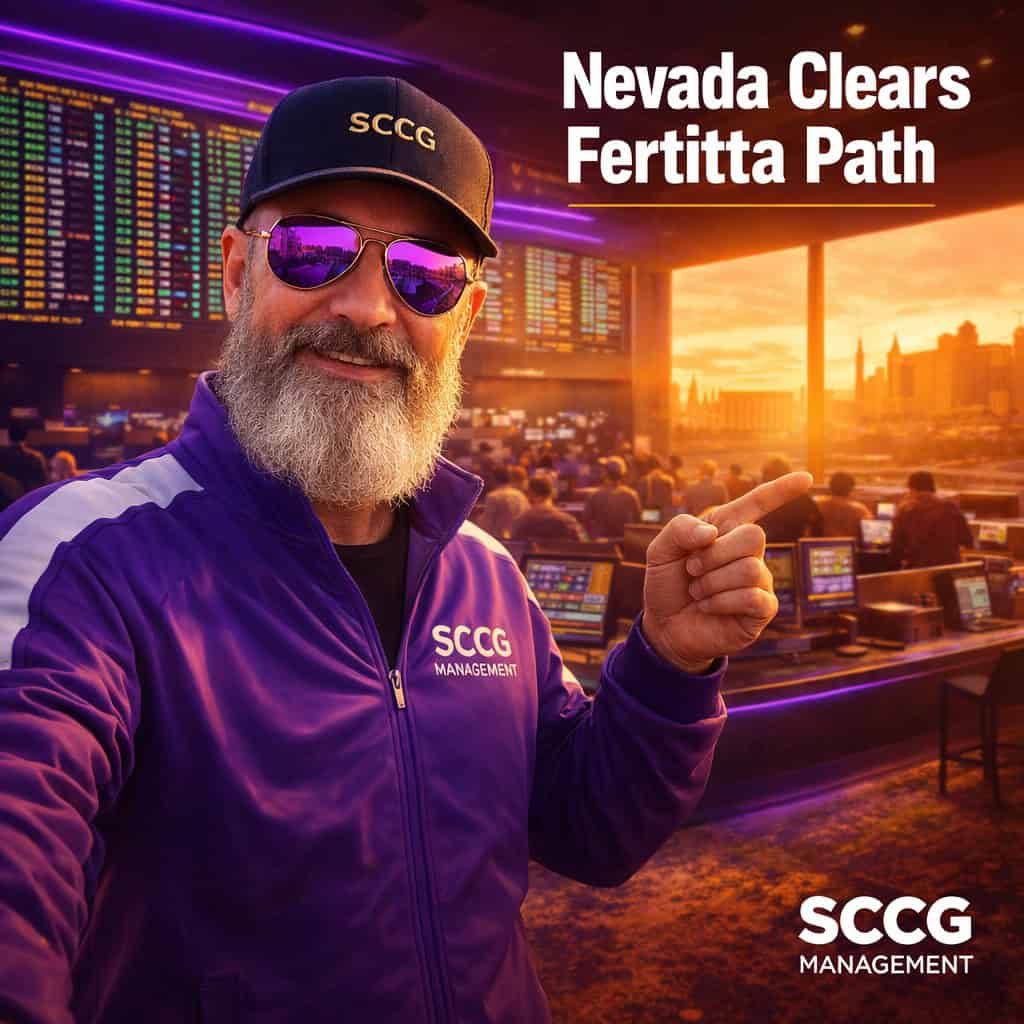
Nevada Gaming Commission Approval Advances Fertitta Entertainment’s Caesars Acquisition
The Nevada Gaming Commission has approved key executives from Fertitta Entertainment. This decision advances the proposed acquisition of Caesars Entertainment a significant step forward as first reported by KLAS 8 News Now.
The move clears a notable regulatory threshold in a transaction that carries substantial implications for the commercial casino sector. It underscores how state-level approvals can accelerate or constrain large-scale industry consolidation.
The Regulatory Gatekeeping Function
State commissions serve as rigorous vetting mechanisms for gaming leadership. The Nevada Gaming Commission approval of the Fertitta Entertainment team confirms that these executives meet the required standards of character and suitability for operating in the state.
This step is seldom automatic. It reflects detailed review processes that protect the integrity of the jurisdiction while enabling qualified deals to proceed.
Deal Financing Risks at Scale
Acquisitions of this magnitude introduce meaningful financing exposure. Debt arrangements must balance acquisition costs against future cash flows from integrated operations under potentially volatile interest rate environments.
Unfavorable shifts in credit markets could elevate borrowing expenses. Prospective acquirers therefore model multiple capital structures to contain balance-sheet strain.
Ripple Effects on Tribal Sovereignty
Tribal gaming occupies a distinct sovereign position outside state regulatory frameworks. Strengthened commercial operators following such deals can intensify direct competition for patrons and market share in overlapping geographies.
I have long argued that sovereignty must remain the foundation not a footnote in any conversation about industry structure. Consolidation among commercial players should not erode the hard-won autonomy tribes exercise over their gaming enterprises.
Competitive Pressures on Commercial and Tribal Operators
A combined entity would likely pursue operational efficiencies and cross-property synergies. This structural shift could pressure smaller commercial casinos and adjacent tribal properties to differentiate through localized offerings or enhanced guest experiences.
The approval therefore functions as an early indicator of heightened competitive tension. Market participants may accelerate partnership explorations or capital investments to maintain relevance.
Where the Risk Lies
While executive approval removes one barrier other regulatory reviews and financing contingencies could still impede final closing. Economic headwinds or shifts in enforcement priorities would amplify these exposures.
Client-partners should treat this development as a prompt to stress-test their own exposure to consolidation trends. The transaction illustrates that regulatory momentum must align with sound capital planning and respect for sovereign stakeholders if the ultimate outcome is to deliver sustainable value across the gaming ecosystem.
Reporting: Acquisition of Caesars takes a step forward as Fertitta Entertainment execs approved – KLAS 8 News Now (news.google.com)
Regulatory green light advances the deal, but financing and tribal sovereignty questions will decide who wins this consolidation wave.
We have guided clients through every major gaming M&A cycle for three decades. When a deal this size clears regulatory hurdles, the competitive map redraws fast. Operators, suppliers, and tribal partners need to move now — positioning beats reacting every time in consolidation.
- Nevada Gaming Commission approves Fertitta Entertainment executives for Caesars acquisition
- Major regulatory milestone cleared, signaling deal momentum despite financing and sovereignty complexities
- Commercial casino landscape poised for competitive realignment as consolidation accelerates
SCCG angle: SCCG has deep regulatory and tribal relationships across every jurisdiction. We help clients read these shifts early and connect to the right capital, compliance, and sovereign partners before the landscape locks. That is how you gain position, not lose it.
Gaming, betting and prediction markets — the desk’s read, every weekday.
Subscribe →