Sports Betting: Do You Want to Rent the Customer or Own the Customer?
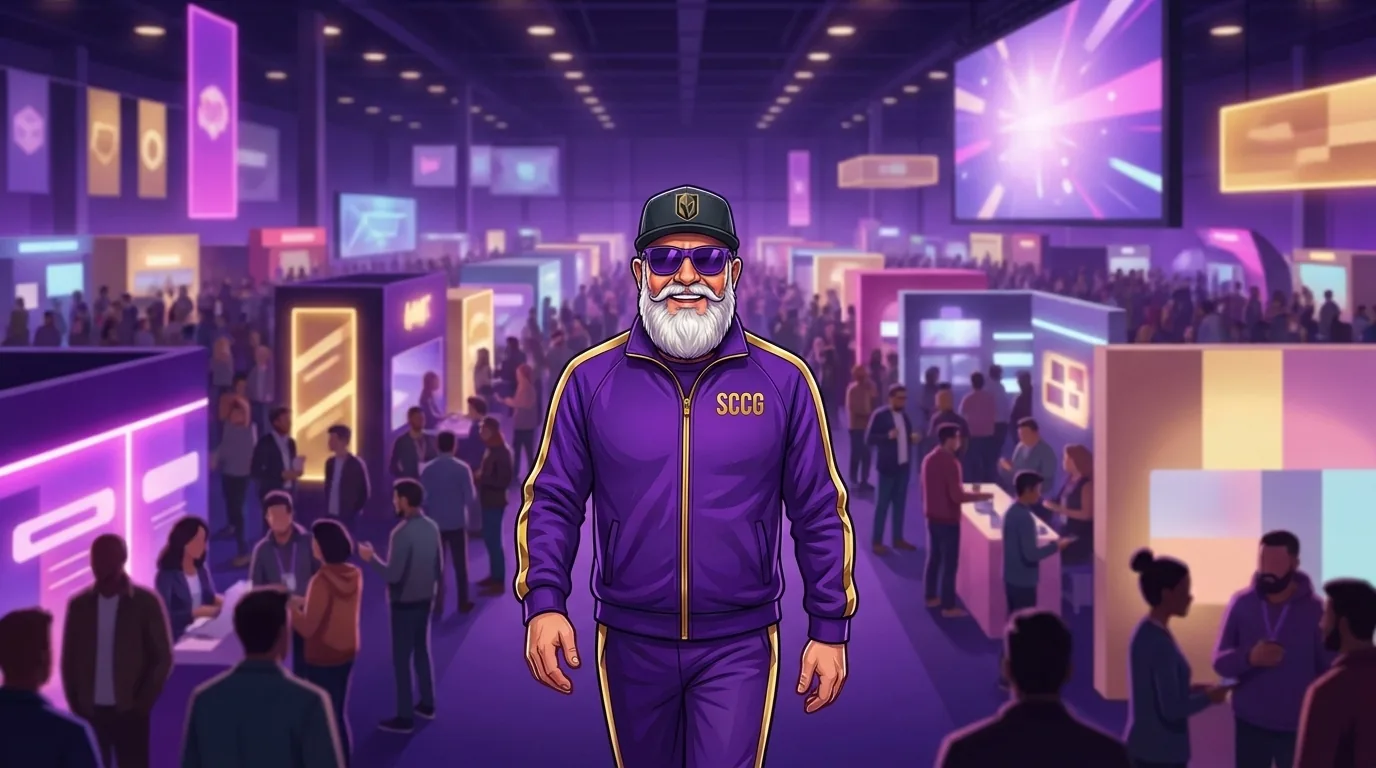
By Kahari S. Nash — The BooRay! King & CEO KSN Gaming
Let me ask you something—are you renting your customers, or do you actually own the relationship? Because in the business of sports betting, the difference isn’t just semantics. It’s everything.
The sportsbooks with the big ads, the flashy promos, the “bet $5 get $200” hooks—they’re playing a dangerous game. One that’s stacked with churn, not loyalty. And if all you’re doing is cycling through bonus-hoppers, you’re not building a customer base… you’re leasing one. And every lease expires.
The Cost of the Click
Player engagement ain’t cheap. With customer acquisition costs (CACs) for sportsbooks hovering north of $300 per player, you better be building more than a single-session experience. This is where so many operators drop the ball. They think the goal is conversion—when in reality, it’s connection.
Because if you’re not giving that player a reason to log back in after the first parlay loses, guess what? They’re already three tabs deep in someone else’s app, chasing the next promo.
Loyalty Ain’t a Promo Code
Let’s take a walk down memory lane. Before PASPA got struck down and everyone ran to stand up regulated books, who was already eating? DraftKings. FanDuel. Why? Because fantasy sports didn’t just gamify sports—it captured hearts. It made the player feel like a GM. It made stats personal. It built habits.
Daily Fantasy gave these brands a first-mover advantage, not because they had the best odds, but because they owned the customer relationship. Long before brick-and-mortar casinos could legally take bets, these platforms were already living in your pocket, on your screen, and in your Sunday ritual.
That’s ownership. That’s brand equity. That’s culture.
The Great Transfer
Now let’s talk about the PASPA effect. That moment in 2018 when the doors to regulated sports betting swung open and all the legacy casinos said, finally, it’s our turn. But here’s the twist—players didn’t come rushing in the way they expected.
Why? Because the unregulated market had already been serving them. Fast. Quiet. Easy. Offshore books weren’t asking for your documents, your mother’s maiden name, or your energy bill from 2019. They were frictionless. And in a world where patience is a liability, frictionless wins.
So while regulated sportsbooks were figuring out compliance and KYC, the unregulated side kept cooking.
KYC: More Than a Checkbox
Look, KYC (Know Your Customer) isn’t just a regulatory requirement. It’s a strategic advantage—if you know how to use it. Knowing your player isn’t about ticking a box for a license. It’s about understanding what makes them tick.
KYC should power personalization. It should feed your CRM strategy, your betting recs, your retention models. If it’s just compliance, you’re missing the play.
You want to compete in this market? Then know your customer better than they know themselves.
Marketing ≠ Bribery
Let’s be clear: marketing is not rewards. It’s storytelling. It’s brand-building. It’s the reason someone bets with you even when you don’t have the best promo that week.
If all you’re doing is throwing free bets around, you’re not marketing—you’re bribing. And eventually, the player starts looking around to see who’s paying more.
Real marketing is making the player feel like your platform is their platform. That’s what levels the field—not the size of your bonus wallet.
The ESPN Bet Lesson: Hype vs. Hold
Right now, DraftKings and FanDuel own the game outside of Nevada, pulling in 37% and 35% of the market share, respectively. Compare that to ESPN Bet, which debuted in late 2023 through a $2 billion deal with Penn and initially saw a December spike to 7% share. But the glow faded fast. Today, ESPN Bet hovers at around 3.2%—behind BetMGM (8%) and Caesars (5%).
Penn’s hope? That Disney’s standalone ESPN streaming service, set to launch this fall, will inject some life into the brand. But Wall Street’s patience is thin. Penn has missed analyst expectations five of the last six quarters, and investors are restless. Some even argue shedding ESPN Bet could improve Penn’s core casino operations and overall valuation. In other words, brand power and licensing hype can’t replace retention, personalization, and product-market fit.
Even Disney, the house of brands, may soon discover that renting a name doesn’t guarantee ownership of the player.
Always know and remember, marketing isn’t promotions and promotions isn’t marketing.
The hype around a promotion fades and expires like the rising and the setting of the sun, daily; while marketing beats the drum rhythmically, consistently and sustainably in perpetuity.
Final Whistle
So I’ll ask it again: Do you want to rent the customer, or own the customer?
Because one builds an email list.
The other builds an empire.
That’s why this is The BooRay! Kingdom, so long live The Booray! King and may his Successor reign forever successionally on the throne!
— Kahari S. Nash, The BooRay! King ????????
Flashy bonuses build churn; lasting equity comes from genuine connection and understanding.
We've watched this play out across 30+ years and 150+ partners. Customer acquisition costs north of $300 mean you can't afford to lease—you have to own. The operators winning long-term aren't the loudest; they're the ones who actually understand their players and build stories, not just campaigns.
- CACs over $300 demand loyalty, not one-time bonus conversions
- Flashy promos cycle through bonus-hoppers, not loyal basebuilders
- Real ownership means understanding preferences and building genuine connection
SCCG angle: We connect operators with partners and expertise across regulated markets who excel at player lifecycle strategy, not just acquisition. Our network understands that owning customers means sustainable unit economics—not acquisition At any cost.
Gaming, betting and prediction markets — the desk’s read, every weekday.
Subscribe →