Stephen Crystal’s Conference Recap, Photo Gallery, and Keynote at SiGMA Americas 2025 Brazil

SiGMA Americas 2025: Brazil’s iGaming Momentum Is Undeniable — Even with Unfinished Rules – Conference Recap
Brazil’s gaming market is entering a new era, and SiGMA Americas 2025 made it clear: the energy is real, the opportunity is massive, and the path ahead, while still forming, is beginning to take shape.
The transition from unregulated to regulated has gone relatively smoothly—at least in structure. That said, anyone serious about entering the market understands the challenges that come with incomplete policies, murky taxation rules, and migration losses that are expected during regulatory evolution. These are growing pains, not dealbreakers.
What stood out this week was the collective agreement on two key themes: responsible gaming and advertising clarity. Tighter safeguards for player protection aren’t just good policy—they’re good business. The same goes for advertising: as more celebrities, influencers, and social media platforms enter the mix, the market needs transparent boundaries. Until those rules are fully in place, brand integrity and compliance must drive every campaign.
Still, even with all the uncertainty, the enthusiasm is louder than the caution. New operators, platforms, and solutions are flooding into the market. Why? Because the long-term upside is undeniable. Brazil isn’t just Latin America’s biggest opportunity—it’s one of the global gaming industry’s most promising frontiers.
From every conversation at SiGMA Americas, one thing is clear: Brazil has the momentum. Now it’s about making sure the framework catches up.
Of course, there’s still a long road ahead—especially when it comes to cracking down on gray market activity. At least half the market remains unregulated, and enforcement is a work in progress. For Brazil to fully realize its potential, the regulatory framework must close those gaps with clarity and consistency.
Next stops for SCCG: Belize, João Pessoa, Malta, and Miami—because the global gaming conversation doesn’t stop, and neither do we.
Responsible Gaming Is a System, Not a Setting
By Stephen Crystal
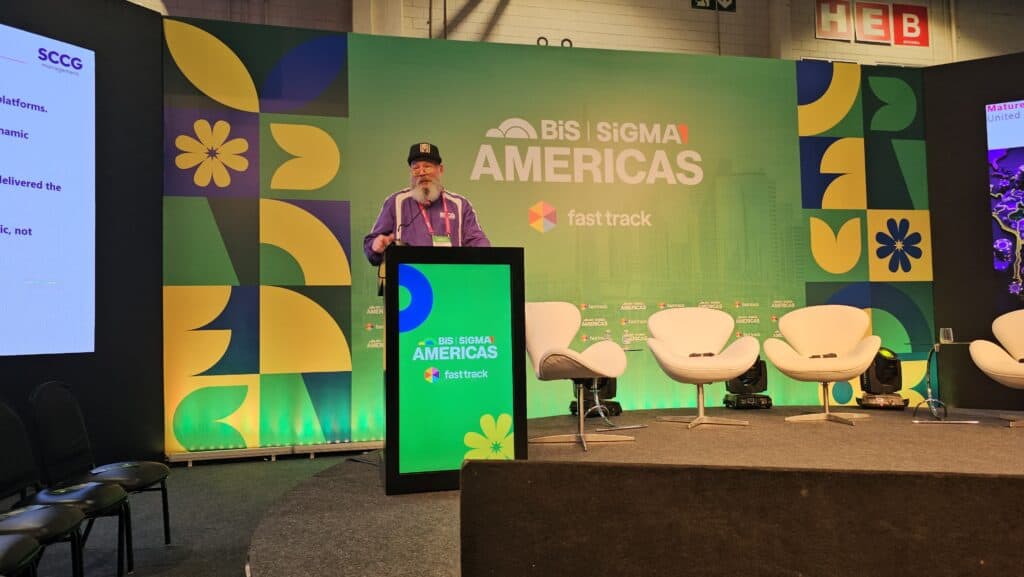
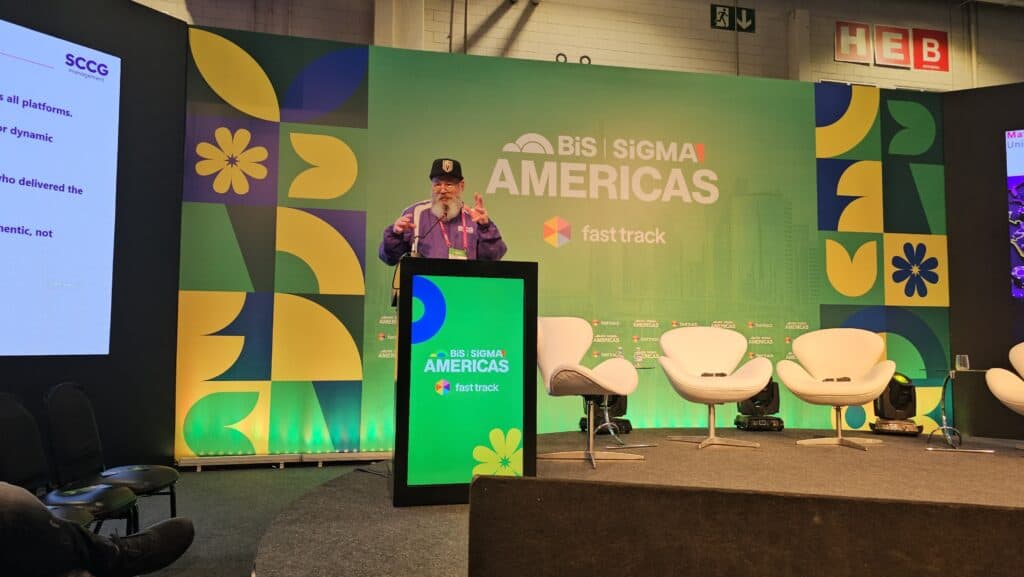
At the recent BiS SiGMA Americas conference in São Paulo, I had the privilege of delivering a keynote titled “Responsible Gaming Best Practices from Around the Globe and Their Application to Brazil’s Market.” This presentation focused on the critical importance of responsible gaming (RG) in safeguarding both players and the integrity of the gaming industry, especially as Brazil’s market undergoes significant expansion.
Understanding Responsible Gaming
Responsible gaming encompasses policies and practices aimed at preventing and mitigating potential harms associated with gambling. It requires a collaborative effort among players, operators, and regulators to foster a culture of safety and awareness. Effective RG measures should be seamlessly integrated into the user experience, ensuring accessibility and ease of use.
Brazil’s Regulatory Landscape
Brazil’s Secretariat of Prizes and Betting (SPA) has been proactive in establishing a unified national system for betting regulations. The introduction of Ordinance No. 1,231 outlines comprehensive guidelines for responsible gaming, emphasizing the prevention of gambling-related harm and the protection of vulnerable populations. Notably, the ordinance includes measures such as blocking welfare recipients via CPF (Cadastro de Pessoas Físicas) to prevent the misuse of public funds in gambling activities. This approach could serve as a global model if implemented with transparency and fairness.
Lessons from Mature Markets
Examining established markets like the United Kingdom and the United States offers valuable insights:
United Kingdom
The success of initiatives like Gamstop highlights the importance of visibility and accessibility in self-exclusion programs. However, rigid affordability checks have faced criticism; Brazil might benefit from adopting dynamic, behavior-based triggers over static income-based rules. Additionally, authentic RG messaging delivered through popular sports figures has proven more effective than generic slogans.
United States
Collaborative efforts such as the Responsible Online Gaming Association (ROGA) demonstrate that even competitors can unite for the greater good. Technological advancements, including AI-driven risk behavior detection, have enabled real-time interventions, outperforming traditional static limits. Some U.S. operators have integrated RG into loyalty programs, transforming risk management into a tool for customer retention.
Opportunities for Innovation in Brazil
Brazil stands at a pivotal moment to lead in responsible gaming by:
- Localizing RG Efforts
Utilizing culturally resonant channels such as football heroes and WhatsApp to disseminate RG messages can enhance relatability and impact. - Implementing Advanced Exclusion Systems
Developing a national, app-based self-exclusion system that combines CPF and biometric data can minimize loopholes and ensure robust protection. - Establishing a Responsible Gaming Tech Lab
Creating a collaborative environment where operators, regulators, and startups co-develop RG technologies can drive innovation and effectiveness.
By embracing these strategies, Brazil has the opportunity to set a global benchmark for responsible online gaming, characterized by innovation, inclusivity, and integrity.






Brazil has massive upside, but operators betting big need regulatory clarity and gray market enforcement now, not later.
We watched this firsthand at SiGMA Americas. Brazil's transition is smoother than most, but half the market stays unregulated. Responsible gaming and ad clarity emerged as industry consensus—smart operators are building compliance-first, not playing catch-up. That matters because it shapes who wins.
- Gray market still controls roughly half the market; enforcement gap is the real bottleneck
- Responsible gaming and advertising rules gaining consensus—brand integrity will separate leaders from laggards
- New operator wave flooding in despite incomplete policies; long-term upside outweighs near-term friction
SCCG angle: We've got 150+ partners across regulated markets globally—including operators already deep in Brazil. Our network lets clients map the real gaps between policy and practice, connect with vetted local operators and compliance experts, and build entry strategies that don't get caught flat-footed when rules shift.
Gaming, betting and prediction markets — the desk’s read, every weekday.
Subscribe →