NSUS Group Warns Ring-Fenced Ontario Poker Market Will Drive Players to Offshore Sites
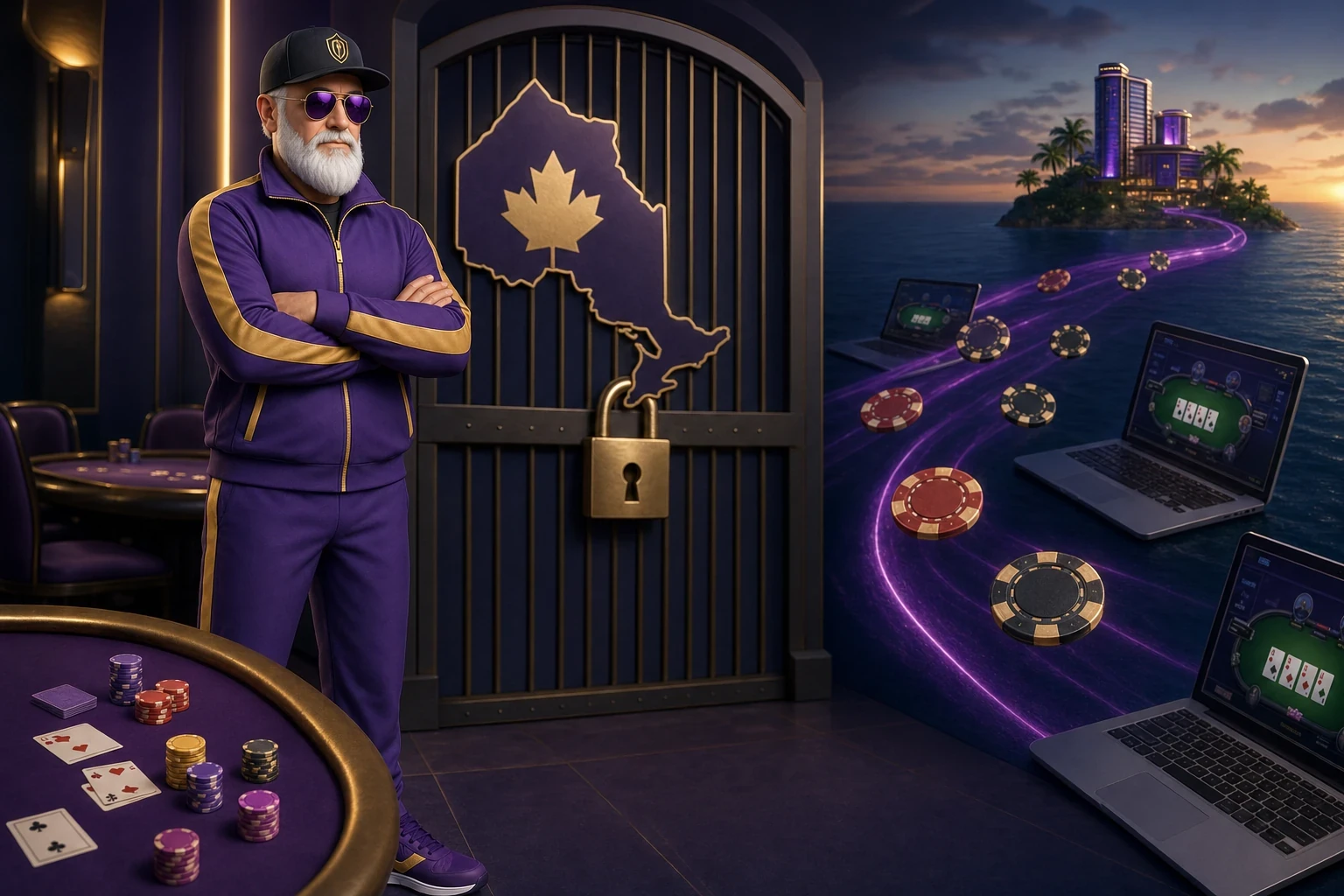
NSUS managing director Sarne Lightman warned that Ontario’s ring-fenced poker market, at just over 1% of CA$9.74B wagering, faces stagnation and offshore migration without international liquidity. The Supreme Court heard Oct. 7 arguments on cross-border pooling after a 2025 appeal court ruling in favor. Opposing provinces cite jurisdictional limits.
SCCG Take — A decision blocking international pools would confirm regulated peer-to-peer games cannot compete on liquidity, favoring offshore sites and requiring regulators to revisit provincial fencing limits.
NSUS Group, parent of GGPoker, has cautioned that Ontario’s regulated online poker sector stands at risk of long-term decline without access to international player liquidity. Sarne Lightman, managing director of NSUS, stated that continued ring-fencing will push Canadian players toward unregulated offshore operators that offer larger pools and more varied games.
Ontario has established one of the strongest regulated iGaming markets in North America, yet poker remains the outlier. Lightman explained that unlike slots or sports betting, poker depends on simultaneous player volume. The resulting thin liquidity has cut tournament prize pools, eliminated many game types and blind levels, and left tables sparsely populated outside peak times. Recreational players suffer most. As other gambling verticals expand, poker has stagnated, with participants migrating to black-market sites where Ontarians continue to register freely.
Liquidity Data and Market Impact
According to iGaming Ontario’s August report, peer-to-peer poker represented just over 1% of the province’s CA$9.74 billion in total wagering, or roughly CA$122 million. Lightman said NSUS sees no viable future for poker under strict provincial ring-fencing. He emphasized that each regulator could retain responsibility for its operators and players within international pools, following the United Kingdom and European approach, without requiring government-to-government treaties. “Having several regulators oversee the same network makes it safer, not riskier,” Lightman added.
The Supreme Court of Canada heard arguments on Oct. 7 in a case that will determine whether Ontario players may compete against international opponents in peer-to-peer poker and daily fantasy sports. Ontario, backed by Alberta, the Canadian Gaming Association and operators, maintains that such liquidity falls within the Criminal Code provided the province continues to conduct and manage legal iGaming. The hearing followed a 4-1 Ontario Court of Appeal ruling in November 2025 that endorsed international liquidity. Provincial lottery corporations from British Columbia, Quebec, Manitoba and the Atlantic provinces countered that cross-border pooling exceeds provincial authority. The court reserved its decision.
Lightman noted that the ring-fenced structure has drastically harmed the player experience, while unregulated sites provide global liquidity without equivalent anti-money laundering or safer gambling controls. NSUS, which operates GGPoker.ca and acquired the World Series of Poker brand in 2024, has declined to enter Alberta’s similar fenced market launched in July, citing insufficient player volume. Lightman dismissed potential Ontario-Alberta pooling as inadequate, likening a two-province pool to a miniature version of U.S. multi-jurisdictional compacts that cannot rival global black-market offerings.
The Regulatory Decision Ahead
The Supreme Court ruling will clarify whether regulated poker can achieve sustainable scale inside Canada or whether offshore operators will continue to capture the liquidity advantage. Operators and regulators will need to assess the ruling’s direct effect on product viability and compliance models once it is issued.
Reporting: Casino.org News
Generated by SCCG’s automated editorial system from published source reporting. SCCG Management holds editorial responsibility.
Gaming, betting and prediction markets — the desk’s read, every weekday.
Subscribe →