Correcting the Vegas Record: Organized Crime Operated in Las Vegas Years Before Bugsy Siegel’s 1946 Arrival
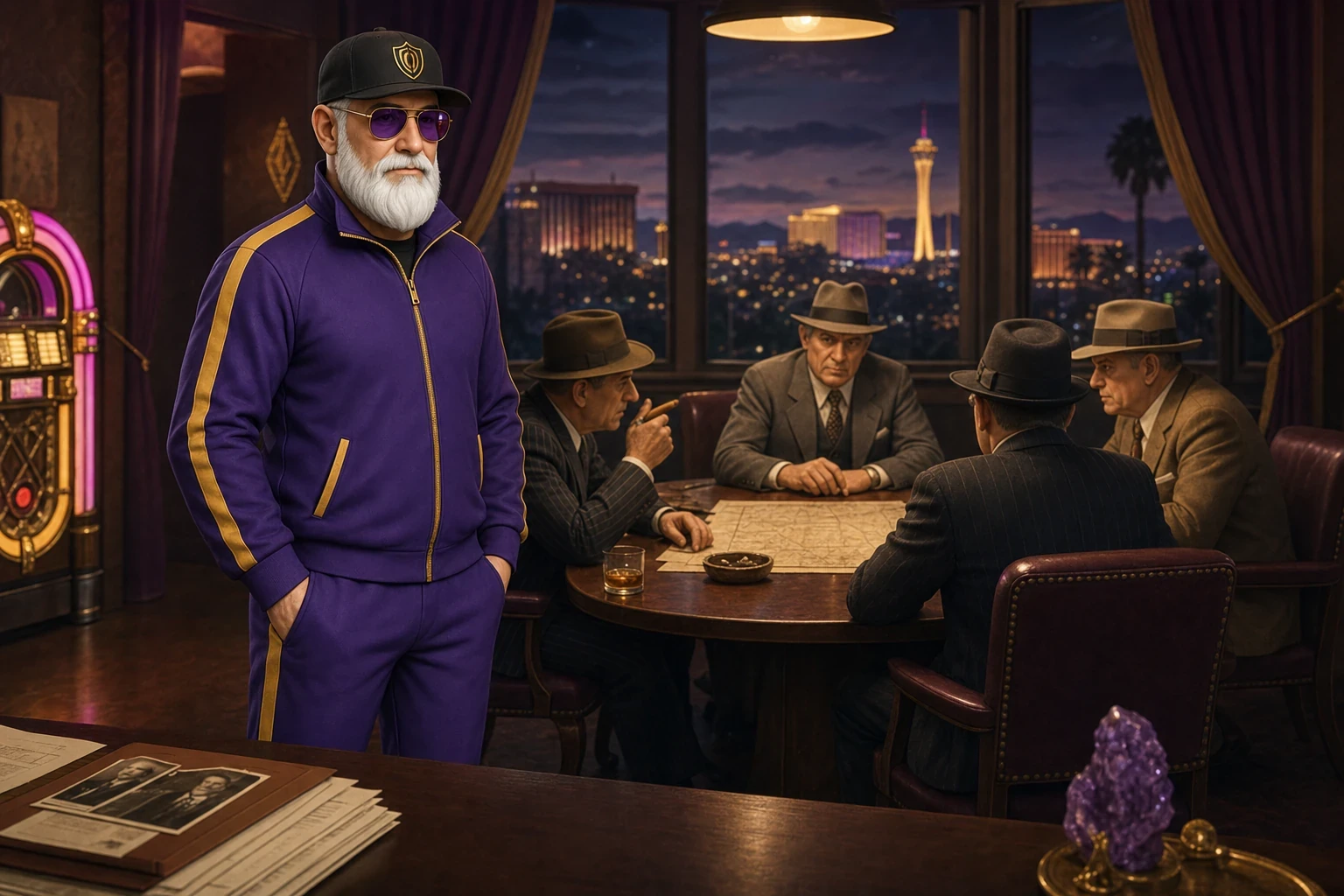
Casino.org News corrects the record: the mob operated in Las Vegas from 1931 onward, with Maurice Goldsworth helping launch the Red Rooster as the first Strip casino right after legalization. Bugsy Siegel only entered in 1940 via race wires and took the Flamingo in 1946. His 1940 arrival and the 1958 mafia-linked murder of Goldsworth confirm the earlier timeline.
SCCG Take — The early shift from illegal to licensed operations in 1931 highlights foundational enforcement gaps that shaped Nevada gaming oversight from the start.
The claim that Benjamin “Bugsy” Siegel introduced the mafia to Las Vegas in 1946 is incorrect. Siegel used Billy Wilkerson‘s gambling debts to take over the Flamingo project that year. But according to reporting by Casino.org News, organized crime figures had already been active in the city for nearly a decade.
Mob Activity Began Well Before the Flamingo
Siegel first reached Las Vegas in 1940 to invest in the Northern Club downtown and secure a share of the race wire market. In 1945, he and Moe Sedway started their own service, TransAmerica. It supplied horse racing entries, odds, payoffs, and results to the Frontier, Las Vegas Club, El Cortez, and other casinos via telegraph wires.
Without accurate race wire data, operators left themselves open to post-betting by better-informed gamblers. Siegel and Sedway also ran the full gambling floor at El Cortez for East Coast gangster Meyer Lansky before shifting focus to the Flamingo in 1946. Four casinos and two resorts had already opened along the main highway by then.
The mob’s entry actually predated Siegel by almost ten years. Legal gambling had been outlawed in Nevada since 1910. Governor Fred Balzar signed Assembly Bill 98 on March 19, 1931, restoring it. Maurice H. “Goldie” Goldsworth, active in illegal Los Angeles gambling, partnered with Alice “Ma” Morris to open the Red Rooster. It became the first licensed casino on the future Strip on April 1, 1931, with a blackjack table and three slot machines.
The Red Rooster lost its license for serving alcohol, which stayed illegal nationwide until Prohibition ended on Dec. 5, 1933. Goldsworth later faced a 1958 murder in Los Angeles. He was beaten with a hammer in his car’s back seat, shot, and stuffed in the trunk. LA Police Chief William H. Parker stated: “There is no doubt about it. This is a mafia job.” A credit business owner confessed to the killing over a $4,200 gambling debt but was convicted of second-degree murder.
The Record Shows Early Integration
These facts demonstrate that experienced illegal operators moved directly into Nevada’s legal market the moment it opened. The popular Siegel narrative overlooks this earlier foundation and the immediate regulatory issues it created, such as the Red Rooster’s swift license loss.
Reporting: Casino.org News
Generated by SCCG’s automated editorial system from published source reporting. SCCG Management holds editorial responsibility.
Gaming, betting and prediction markets — the desk’s read, every weekday.
Subscribe →