San Antonio Councilwoman Teri Castillo Proposes Citywide Ban on Eight-Liner Machines Citing Statutory Loophole Abuse
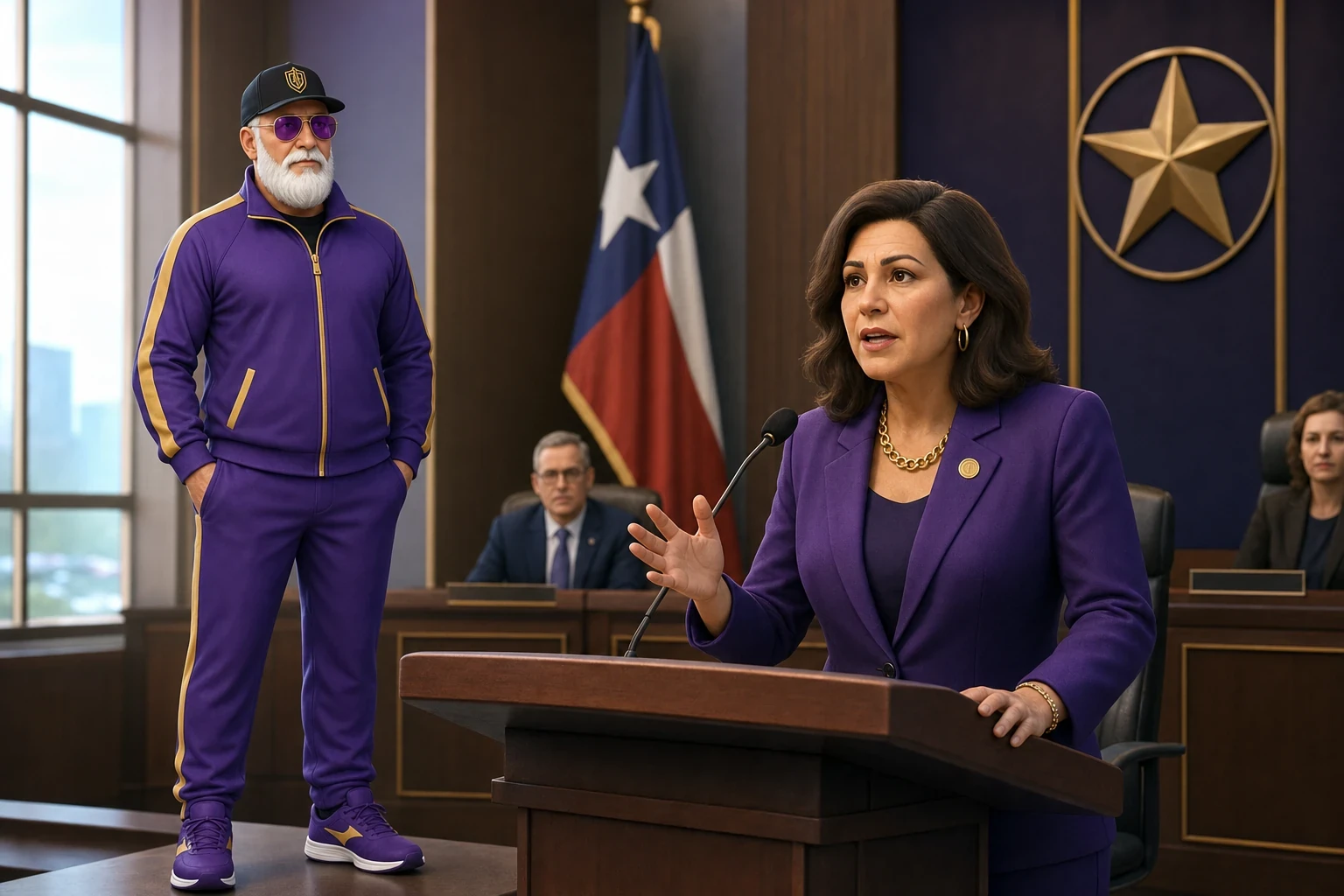
San Antonio Councilwoman Teri Castillo filed a Sept. 4 request to ban eight-liner machines that exploit the Fuzzy Animal Exception for cash-like payouts. The proposal cites 2003, 2022, and 2024 court rulings and has support from four other council members. It reflects local efforts to address unregulated gaming where Texas has no commercial casinos.
SCCG Take — Municipalities are stepping into the regulatory gap left by state inaction. A successful ban would reinforce local authority and put operators on notice ahead of the 2027 legislative session.
San Antonio District 5 Councilwoman Teri Castillo submitted a Council Consideration Request dated Sept. 4 calling for a citywide ban on eight-liner gaming machines. She maintains that operators routinely exploit a provision in the Texas penal code to run what amount to illegal gambling operations.
The so-called “Fuzzy Animal Exception” was written to let family arcades and carnivals award plush toys or minor novelties. It permits non-cash prizes worth less than $5, or no more than 10 times the cost of a single play. Castillo states that parlors reprogram machine odds and rely on indirect cash substitutes—pre-paid gift cards, debit cards, and vouchers redeemable at nearby businesses—to evade those limits.
Texas courts have rejected such practices. The Supreme Court barred cash-equivalent payouts in Hardy v. State in 2003. A 2022 appeals court decision held that eight-liners functioned as unconstitutional lotteries. The Supreme Court declined review in 2024, clearing the path for nearly a dozen municipalities to enact local bans.
“The continued operation of eight-liners in San Antonio undermines both the intent of state law and the city’s commitment to public safety and community well-being. San Antonio has an opportunity to protect residents and support lawful businesses by banning eight-liner operations,” Castillo said.
The request carries the support of four additional council members: Edward Mungia (District 4), Ric Galvan (District 6), Marina Alderete Gavito (District 7), and Marc Whyte (District 10). It will be reviewed first by the Governance Committee, where Mungia serves, before any referral to full council. San Antonio, the nation’s seventh-most populous city with more than 1.5 million residents, has no traditional casinos. As reported by Casino.org, Texas remains one of the few states without commercial or tribal slot machines or house-banked table games. Lobbying for resort-style casinos is expected to resume in the 2027 legislative session.
Legal Foundation for Municipal Action
Court precedent supplies a clear basis for action, yet eight-liner operations persist by testing the outer bounds of the exception. The limitation is plain: state rulings have not eliminated the devices on their own. Cities must therefore supply the enforcement that statewide statutes have not delivered.
Outlook for San Antonio and Statewide Policy
This proposal tests how far one municipality can go in closing a loophole the legislature has left open. Approval would align San Antonio with other Texas cities that have already acted. Operators facing renewed local pressure will weigh compliance costs against the likelihood of continued state-level inaction until 2027.
Reporting: Casino.org News
Generated by SCCG’s automated editorial system from published source reporting. SCCG Management holds editorial responsibility.
Municipal bans are filling Texas's regulatory void and setting the stage for a bigger casino conversation in 2027.
We track every state where gaming gray zones create risk or runway. Texas has neither commercial nor tribal casino gaming, so unregulated machines become the flashpoint—and the proving ground for local authority. When city councils start legislating around gaming, it signals demand the statehouse will eventually have to address.
- Castillo's proposal targets machines using gift cards and vouchers to bypass $5 non-cash prize caps
- Courts rejected cash equivalents in 2003, 2022, and 2024; nearly a dozen Texas cities now have bans
- Action comes as resort-casino lobbying prepares for the 2027 Texas legislative session
SCCG angle: SCCG works with operators and suppliers mapping state-by-state regulatory timelines. We connect clients to legal, government-affairs, and payments partners who understand how local enforcement shapes the path to legalization—especially in hold-out markets like Texas where demand is clear but the framework isn't written yet.
Gaming, betting and prediction markets — the desk’s read, every weekday.
Subscribe →