Brazilian Senate Committee Approves Bill Imposing Broad Bans on Betting Advertising and Sponsorship
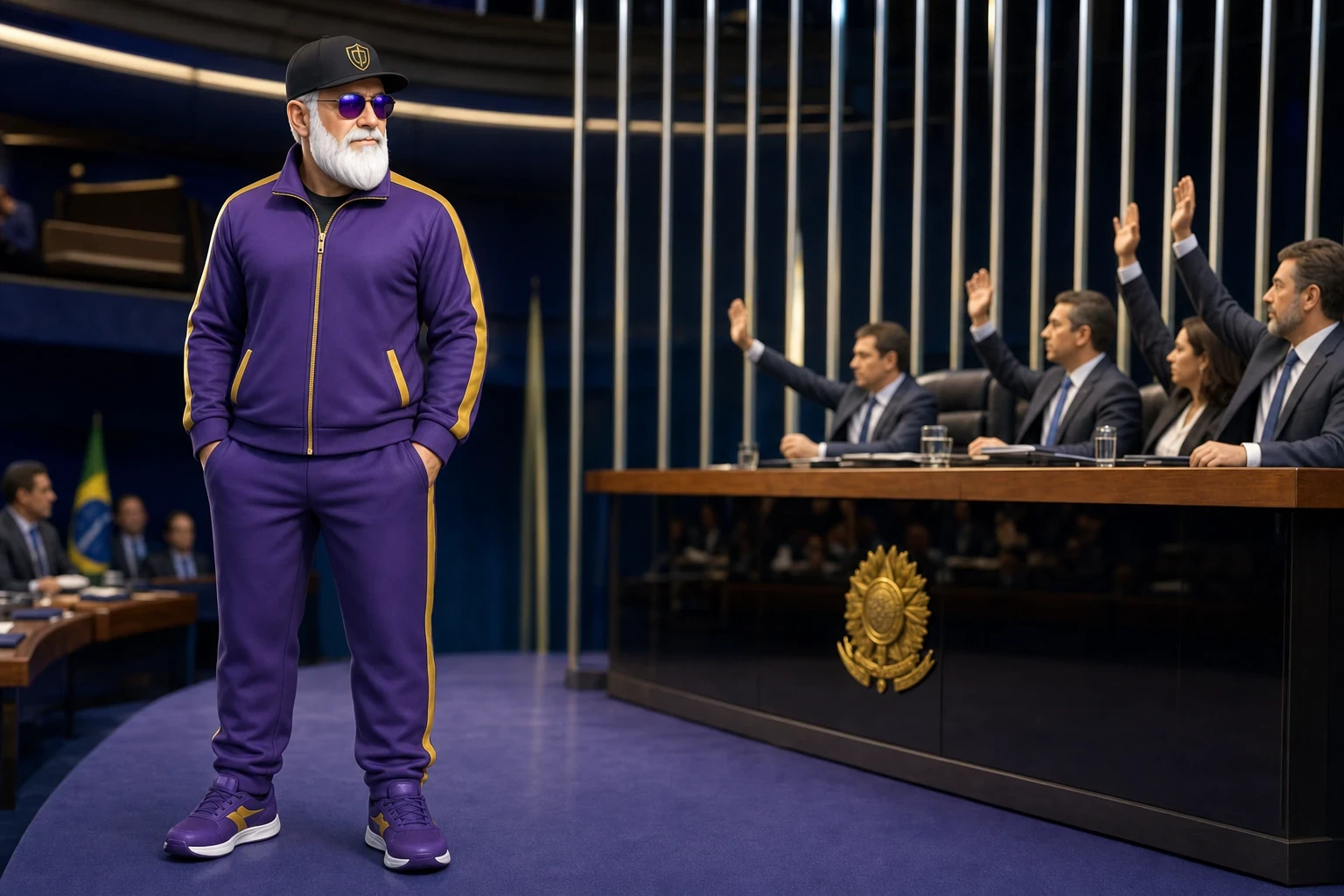
Brazil’s Senate Science and Technology Committee approved Bill 2.470/2026 to ban most betting advertising, sponsorships and promotions while requiring pre-market risk assessments for products. Conar updated its self-regulation code to heighten ad oversight and protect minors. The measures target gambling harm in the regulated market.
SCCG Take — Operators must urgently revise marketing and product strategies to meet stricter compliance demands or risk market exclusion as Brazil prioritizes consumer safeguards.
Brazil’s Science and Technology Committee (CCT) has approved legislation that would impose sweeping restrictions on betting advertising and sponsorship while creating a risk-based system to evaluate gambling products. Bill 2.470/2026, introduced by Senator Damares Alves and six other senators, would amend the country’s fixed-odds betting law. Senator Alessandro Vieira backed the proposal with a substitute text, and the committee also approved an urgency request for Senate Plenary review.
The approval followed a public hearing where government representatives and industry members offered contrasting views. “This is a non-partisan initiative. It stems from society’s current understanding of the extent of the damage caused by so-called betting,” the rapporteur stated.
Scope of Proposed Advertising and Sponsorship Restrictions
The approved text would ban direct and indirect betting advertising across television, radio, print, outdoor media, streaming services, podcasts, social networks, websites and other internet environments. Instant messaging, SMS, email, notifications, telemarketing, algorithmic targeting and behavioural profiling would also be restricted.
Bonuses, promotional credits, free bets, rewards, free spins, cashback and loyalty programmes intended to encourage betting would be prohibited. Advertising could not portray gambling as risk-free, a source of income, a financial solution, guaranteed profit or a means of recovering losses. Authorised operators could continue strictly institutional communication through official channels, subject to content limits.
Betting sponsorship involving sports organisations, competitions, broadcasts, cultural events, educational and social projects, influencers, athletes and celebrities would be barred. Brand exposure, naming rights, licensing arrangements and ambassador roles would fall within the ban. Existing contracts would receive 24 months for adaptation or termination.
Product Risk Assessments and Conar’s Parallel Advertising Updates
A competent federal executive body would assess betting products before market release, weighing factors including rapid results, repeated betting cycles, random outcomes, intermittent rewards, near-miss incentives and features encouraging users to chase losses. Products considered excessively risky could not be offered. Roulette, slot machines, collision games and simulated virtual sports are among those identified as potentially falling into that category.
Operators could not use information from self-excluded customers, people undergoing treatment or users who requested marketing blocks to reactivate betting activity. The text would also ban credit-card betting, predictive models used to identify periods of greater vulnerability and platform mechanisms that hinder users from stopping betting or activating restrictions. Permanent age-verification, self-exclusion and voluntary betting-limit systems would remain mandatory.
Separately, Conar’s Content Council approved revisions to Annex “X” of the Brazilian Code of Advertising Self-Regulation. The changes increase responsibility across the advertising chain and strengthen action against illegal betting promotion. Mandatory warnings under Ordinance SPA/MF No. 1,964/2026 must receive greater prominence. Conar also plans closer oversight of influencers and affiliates, including an accreditation programme. A new checklist for protecting children and teenagers adds restrictions on campaign elements associated with young audiences, including anthropomorphized animals.
As reported by iGaming Business on September 3, 2026, the two developments would place further controls on how betting operators promote their services and reach vulnerable audiences. The bill’s advance requires operators to prepare for material changes to customer acquisition, product design and compliance frameworks as plenary debate approaches.
Reporting: Casino News Daily
Generated by SCCG’s automated editorial system from published source reporting. SCCG Management holds editorial responsibility.
Brazil is closing the marketing playbook operators relied on — compliance now means rethinking product, media, and sponsorship strategy entirely.
We've watched dozens of markets regulate post-launch, and Brazil is moving faster and harder than most. This isn't a tweak — it's a structural reset. Operators who adapt early will stay; those who wait risk being frozen out. SCCG helps clients navigate these shifts before they become crises.
- Bill 2.470/2026 bans ads across TV, digital, social, and influencer channels; existing sponsorships get 24 months to wind down
- Pre-market risk assessments required for products; high-risk games like roulette and slots could be blocked entirely
- Conar self-regulation tightened in parallel, adding compliance layers even as legislation advances
SCCG angle: SCCG connects operators to local regulatory counsel, compliant media partners, and responsible gaming tech providers across our 545-partner network. We've guided clients through similar pivots in Europe and can help you redesign go-to-market before the window closes.
Gaming, betting and prediction markets — the desk’s read, every weekday.
Subscribe →