Kalshi Delivers First Lifetime Ban to Former Rep. George Santos for Noncooperation on State of the Union Bets
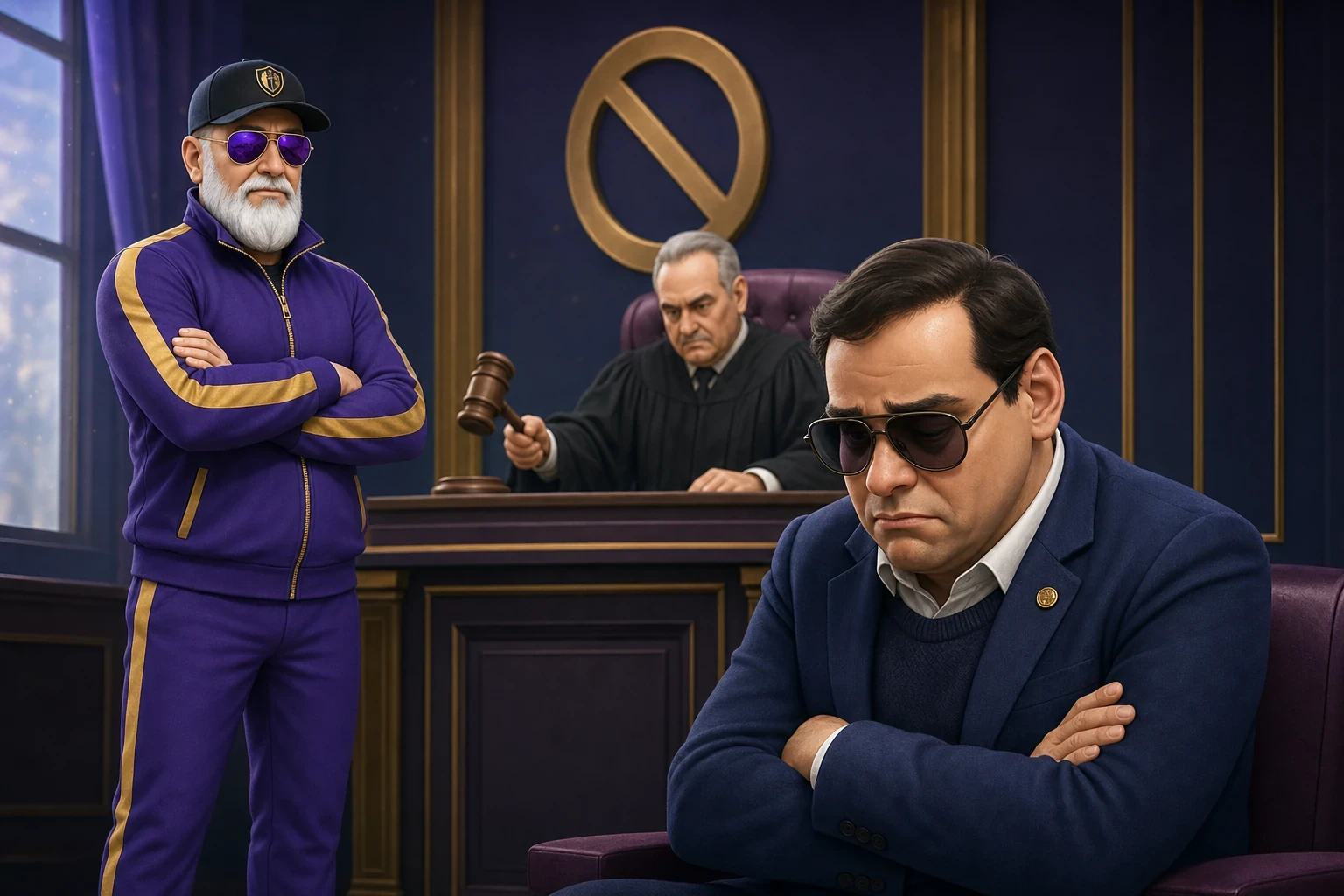
Kalshi issued its first lifetime ban and a $70,000 penalty to former Rep. George Santos after he declined to cooperate on bets tied to his State of the Union attendance. The CFTC settled separate manipulation claims for a $35,000 repayment. Similar sanctions hit two other political figures amid rising oversight of prediction markets.
SCCG Take — The lifetime ban underscores platforms’ need to enforce strict cooperation rules on election-related contracts. Regulators and operators must track the pending court split to anticipate shifts in state-level authority.
Kalshi permanently barred former Rep. George Santos (R-N.Y.) from its platform and assessed a penalty exceeding $70,000. The action, the company’s first lifetime ban, followed Santos’ refusal to cooperate with an internal investigation into large bets on his attendance at President Donald Trump’s State of the Union address earlier this year.
The Commodity Futures Trading Commission (CFTC) determined Santos earned approximately $18,000 through market manipulation via social media posts about those plans. He agreed to repay more than $35,000 to settle the charges without admitting the findings, as reported by Yogonet International. Santos replied on X: “Thanks for the lifetime ban from your gambling platform. Let’s see how much longer you guys are around for.”
Parallel Sanctions Target Other Political Figures
Kalshi also suspended North Carolina congressional candidate Laurie Buckhout for three years and fined her more than $2,500 after she bet on her own race in a district redrawn to favor Republicans. Buckhout accepted the settlement and stated: “I bet on myself. Literally.” She called it a “dumb mistake” and said she worked to correct the issue as soon as she learned of the problem.
A third sanction hit Gabriel Perez, a former White House teleprompter operator. The CFTC reported he made more than $107,000 trading on speech contents. Perez will pay over $172,000 and faces a three-year ban from Kalshi.
Enforcement Pattern Meets Regulatory Split
These penalties arrive as prediction markets face heightened scrutiny over self-referential bets by public figures. Courts remain divided on state authority, with a recent ruling allowing Nevada to regulate such markets while an earlier decision blocked New Jersey from overseeing Kalshi. The conflict leaves federal oversight lines unresolved and signals platforms must sharpen internal controls on politically charged contracts.
Reporting: Yogonet International
Generated by SCCG’s automated editorial system from published source reporting. SCCG Management holds editorial responsibility.
When your platform lets insiders bet on themselves, expect regulators and public outrage—self-policing is now table stakes.
We've watched prediction markets mature from novelty to regulated product, and this enforcement pattern tells us platforms can't afford soft compliance anymore. The CFTC is watching, state jurisdictions are fighting for authority, and operators need bulletproof controls on politically sensitive contracts—or they'll face existential credibility risk.
- Santos banned for life, fined $70K+ for refusing to cooperate on State of the Union bet probe
- CFTC settled three cases totaling over $280K in penalties for self-dealing and manipulation
- Court split on state vs. federal oversight leaves compliance landscape uncertain for platforms
SCCG angle: SCCG helps prediction and betting platforms architect compliance frameworks that scale across fragmented state and federal lines. We connect operators to regulatory counsel, risk-assessment partners, and technology vendors who've built self-exclusion and insider-tracking tools—so you can launch politically sensitive contracts without becoming the next headline.
Gaming, betting and prediction markets — the desk’s read, every weekday.
Subscribe →