Colorado-Funded Research Ties First Responder Duties to Elevated Problem Gambling Rates
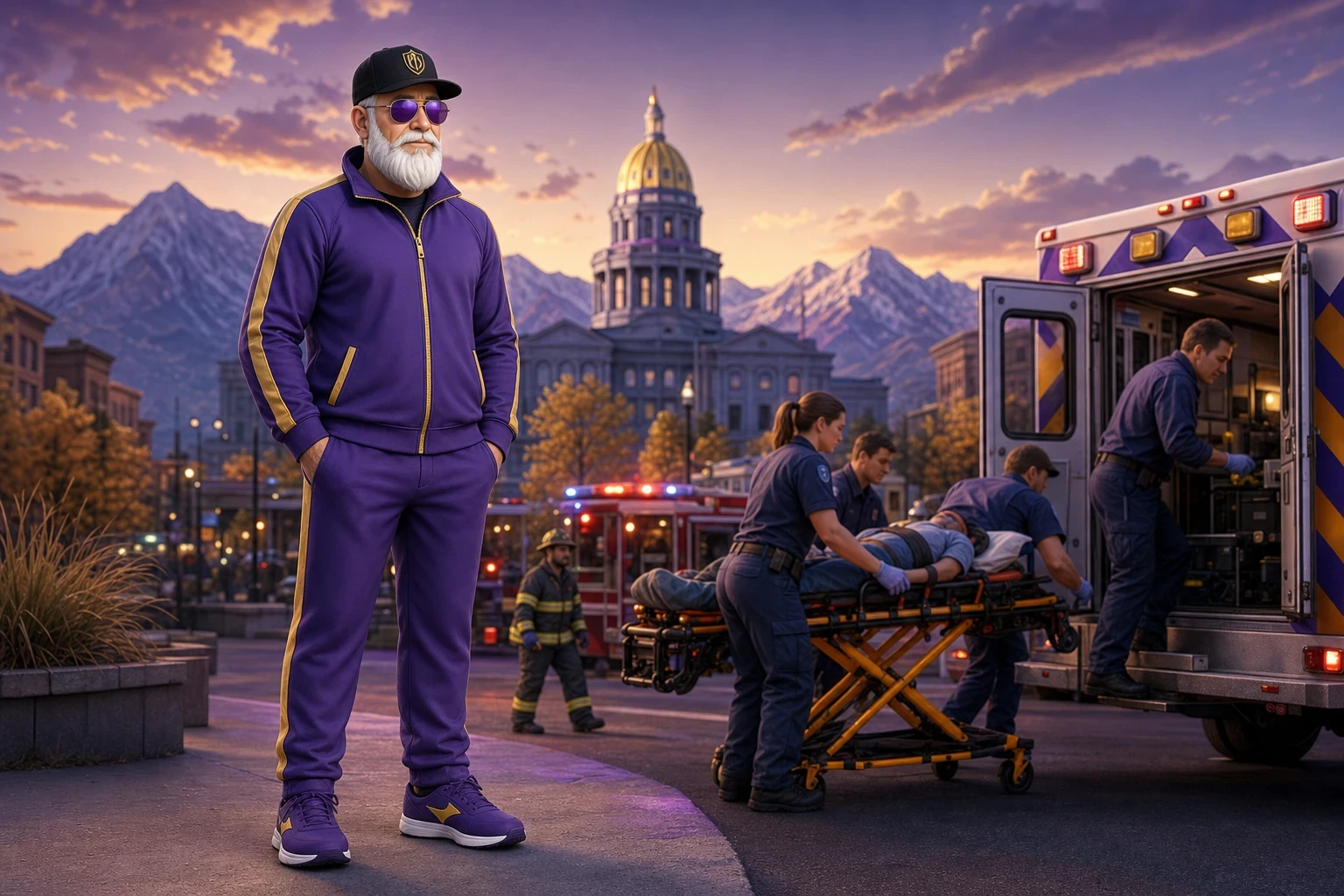
SCCG Take — Regulators should use these occupational risk profiles to shape more precise responsible gambling outreach aimed at high-trauma professions.
New research funded by the Colorado Division of Gaming finds first responders at heightened risk of developing gambling problems. The Kindbridge Research Institute conducted the study in partnership with EPIC Global Solutions. It surveyed 507 current first responders after screening an initial 788 responses for reliability.
94.5% reported gambling within the past 12 months. 44% met criteria for problem gambling. 39% were classified as at-risk. Firefighters showed the highest rates at 49%. Those with military backgrounds ranked as particularly vulnerable.
The report establishes a correlation between daily occupational risk exposure and willingness to take financial risks through gambling. First responders reporting no PTSD were 89% less likely to meet or approach problem gambling criteria.
Occupational Risks and Mental Health Links
First responders are exposed to high-risk situations, making them vulnerable to a range of mental health problems and addictive behaviors, including PTSD and problem gambling, the study reported. Kindbridge cited a 2022 study in the Journal of Workplace Behavioral Health that found first responders at elevated risk of mental health problems due to regular exposure to emotional distress.
Although their roles are crucial and indispensable to the community, first responders are at risk of experiencing several physical and mental health problems due to their exposure to life-threatening incidents and trauma, the study read.
Targeted Prevention Initiatives Needed
The findings from this study indicated that first responders are at a high risk of gambling harm, with firefighters and those with a military background being the most vulnerable. The results indicated the importance of designing and implementing targeted prevention initiatives, and education around the potential harms of gambling for this group, the Kindbridge Research Institute concluded.
Problem gambling among US first responders is a serious, under-recognized occupational health threat. The study advises that targeted prevention and education initiatives be developed and tailored to first responders, with employers implementing evidence-based training and intervention programs. The goal is to support and protect first responders’ wellbeing.
According to reporting by Casino.org News, the study raises concerns over gambling rates among those first on the scene of an emergency.
Reporting: Casino.org News
Generated by SCCG’s automated editorial system from published source reporting. SCCG Management holds editorial responsibility.
High-trauma occupations create measurable gambling harm; operators and regulators must build targeted prevention into responsible gaming frameworks now.
We've spent three decades watching responsible gaming evolve from checkbox compliance to real harm prevention. This Colorado data — 44% problem gambling rate among first responders, 49% for firefighters — gives the industry occupational risk profiles we can finally act on. Regulators and operators now have evidence to justify profession-specific outreach, and we should use it.
- 94.5% of surveyed first responders gambled in past year; 44% met problem gambling criteria
- Firefighters highest risk at 49%; military background significantly elevates vulnerability
- PTSD correlation strong: those without PTSD 89% less likely to show problem gambling signs
SCCG angle: SCCG connects operators to responsible gaming technology partners and clinical experts who can build occupation-aware player protection tools — geo-targeted messaging, profession-based risk models, employer partnerships. We've placed RG solutions across 30+ markets; this data helps our clients move from broad campaigns to precision intervention where trauma and gambling intersect.
Gaming, betting and prediction markets — the desk’s read, every weekday.
Subscribe →