Ninth Circuit Holds Federal Commodities Law Does Not Preempt Nevada Gambling Rules on Kalshi Sports Contracts
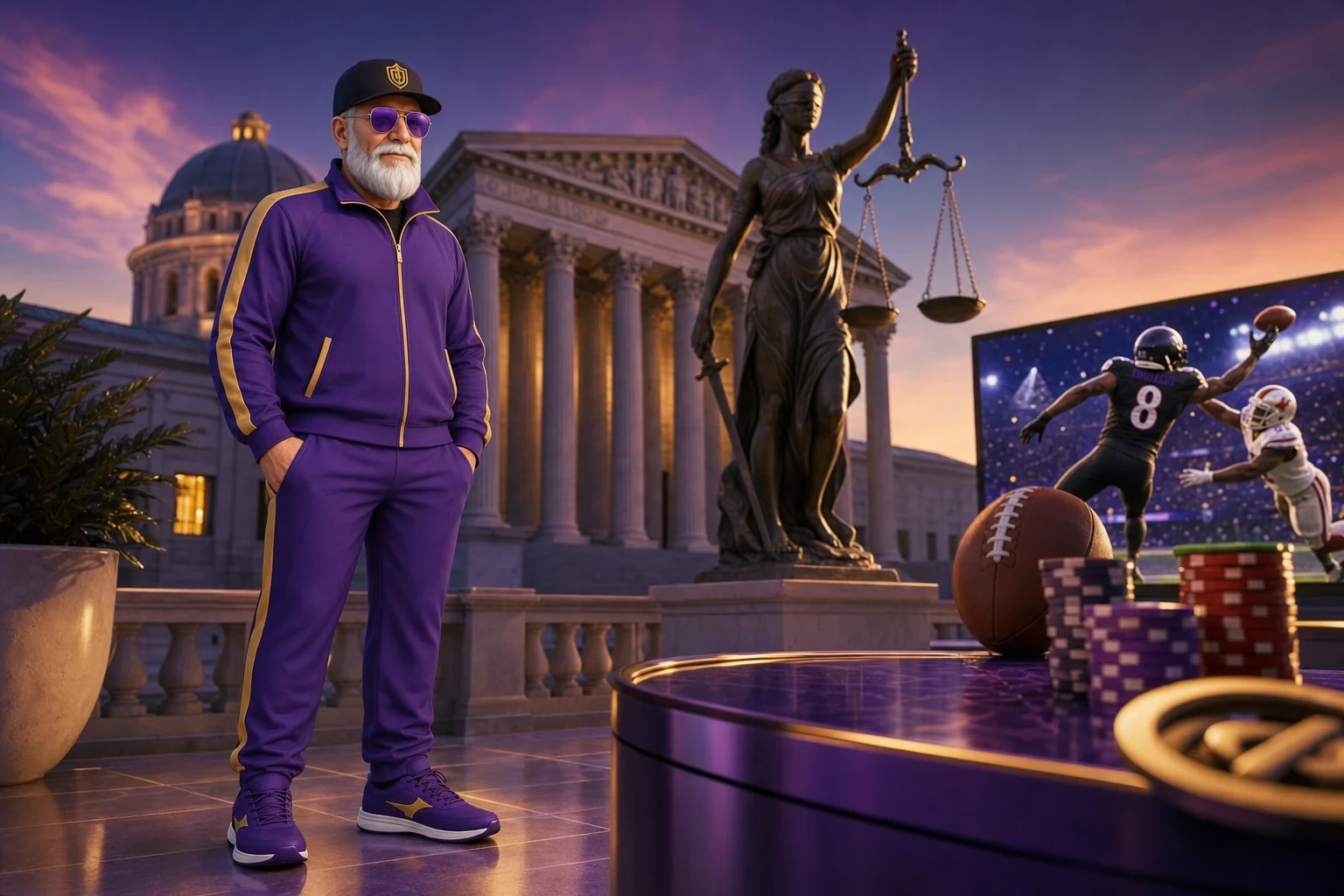
The Ninth Circuit ruled federal commodities law does not preempt Nevada’s ban on Kalshi sports contracts, citing an overly broad reading of Dodd-Frank. The opinion directly conflicts with an April 6 Third Circuit decision, ensuring Supreme Court review. It may encourage enforcement by other states in the Ninth Circuit.
SCCG Take — State gaming regulators receive clear validation to treat these products as sports betting. Prediction market platforms and their investors must prepare for fragmented oversight and potential nationwide clarification only from the Supreme Court.
A three-judge panel of the U.S. Ninth Circuit Court of Appeals ruled Friday that Nevada may bar prediction market operator Kalshi from offering contracts on sporting events. The court held that the federal Commodity Exchange Act does not override the state’s authority to regulate gambling.
In a 36-page opinion, U.S. Circuit Judge Ryan D. Nelson rejected Kalshi’s reading of 2010 Dodd-Frank Act reforms as “overly broad.” Nelson stressed that statutory interpretation must account for subject matter, context, and history in addition to text. He concluded it was “difficult” to believe Congress meant to displace “decades of careful regulation of gambling” through definitions in a Wall Street reform bill.
Kalshi’s Position Draws Sharp Judicial Criticism
Nelson wrote that Kalshi “has a gambling problem.” The company promotes its sports contracts as legal gambling to the public yet argues in litigation that they differ from sportsbook wagers. The opinion states this argument “strains credulity.”
A footnote observed that Kalshi’s trading affiliate functions as a market maker. The ruling cited longstanding federal rules barring designated contract markets from listing transactions tied to gaming or activities unlawful under state or federal law. Judicial precedent treats the word “shall” in those rules as mandatory.
Circuit Split Ensures Supreme Court Consideration
The Ninth Circuit’s decision conflicts with a Third Circuit ruling issued April 6 in Kalshi’s separate suit against New Jersey regulators. As reported by Gambling Insider, that split all but guarantees the core question—whether federally regulated prediction markets may offer sports event contracts—will reach the U.S. Supreme Court.
Dani Lever, speaking for Kalshi, said both circuits agree “federal law prevents states from regulating trading on a federally licensed exchange, like Kalshi.” Lever added that the company believes current CFTC regulations do not prohibit sports contracts and that the agency is clarifying its rules. Kalshi will seek further review.
The Ninth Circuit covers Nevada plus Alaska, Arizona, California, Hawaii, Idaho, Montana, Oregon, Washington, Guam, and the Northern Mariana Islands. Arizona Attorney General Kris Mayes said the opinion confirms that financial reform legislation “was never intended to strip states of their traditional police power over gambling.”
Mike Dreitzer, chairman of the Nevada Gaming Control Board, called the ruling complete vindication. Nevada regulators previously obtained a state-court order requiring Kalshi to deploy geofencing to block Nevada users, with fines sought at $120,000 per day of noncompliance.
The decision leaves prediction market operators facing divergent appellate precedent and renewed state-level enforcement risk until the Supreme Court provides a uniform answer.
Reporting: Gambling Insider
Generated by SCCG’s automated editorial system from published source reporting. SCCG Management holds editorial responsibility.
Federal law won't save prediction markets from state gaming regulators — you're facing 50 different rulebooks until SCOTUS weighs in.
This circuit split changes the compliance calculus for every prediction market and exchange-betting platform. SCCG has spent three decades navigating state-by-state gaming regulation. We know the regulators in the Ninth Circuit jurisdictions and understand how this ruling immediately shifts enforcement posture. Platforms that assumed federal approval meant open season just learned otherwise.
- Ninth Circuit says Dodd-Frank doesn't preempt state gambling rules; Nevada can ban Kalshi sports contracts
- Direct conflict with Third Circuit ruling from April 6 — Supreme Court review now virtually certain
- Judge Nelson criticized Kalshi for marketing as gambling publicly, then denying it in court
SCCG angle: SCCG maintains direct relationships with gaming regulators across every Ninth Circuit state. We help platforms map enforcement risk jurisdiction by jurisdiction, connect with the right compliance and legal advisors in each market, and structure rollout strategies that align product design with both CFTC approval and state gaming authority expectations before launch.
Gaming, betting and prediction markets — the desk’s read, every weekday.
Subscribe →