Trump Jr. and White House Directly Engage State Officials on Prediction Market Regulation
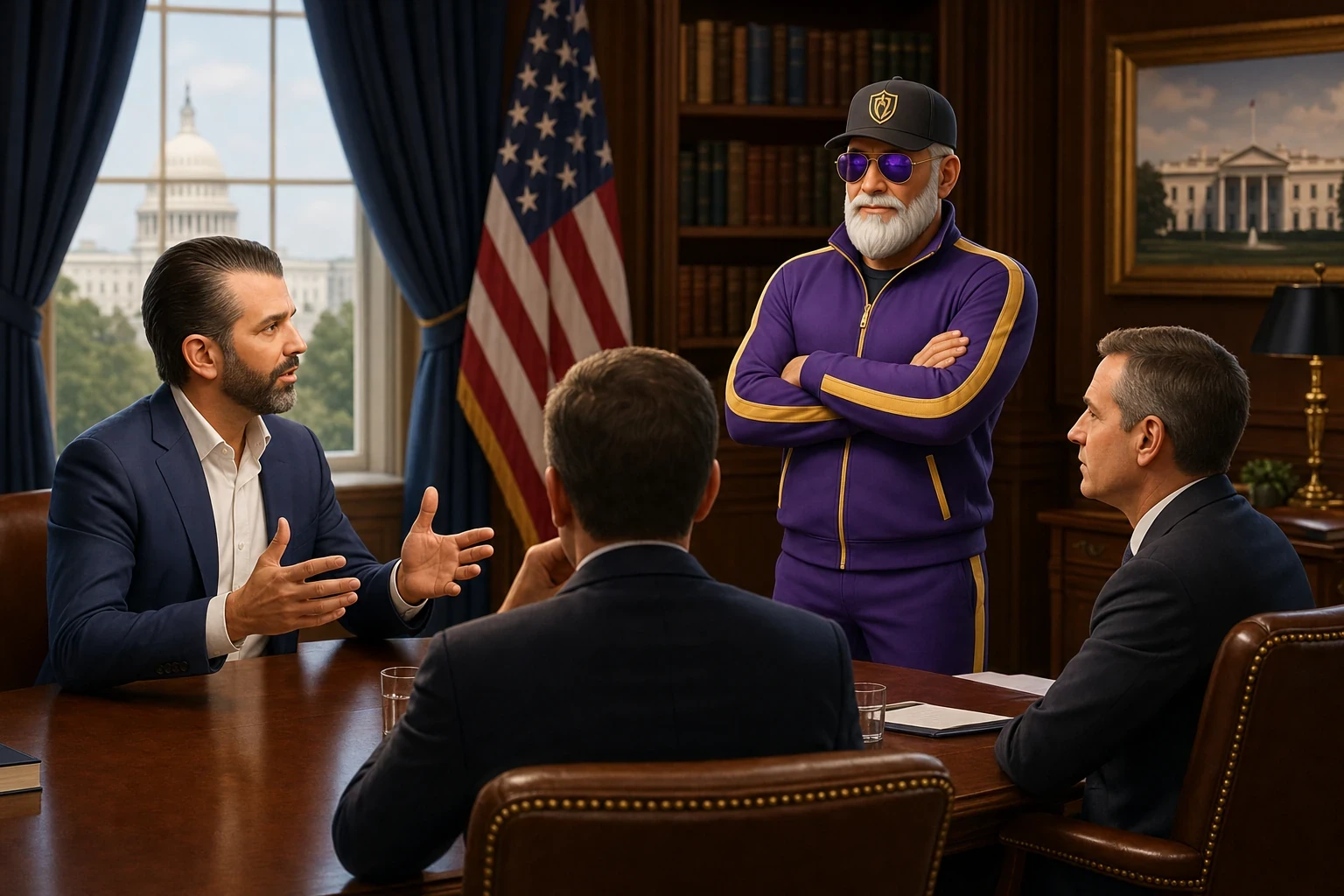
Donald Trump Jr. pitched prediction markets to Republican state AGs, citing gambling industry influence, while the White House shared federal policy with North Carolina lawmakers. The state adopted a 6% tax but allowed CFTC-registered platforms to operate unlicensed. This adds political weight to the CFTC’s suits against nine Democratic-led states.
SCCG Take — Federal political signals bolster CFTC preemption arguments for operators, yet state resistance and ties to Kalshi/Polymarket invite conflict claims. Expect extended litigation before regulatory clarity emerges.
The White House and Donald Trump Jr. have engaged directly with state officials on prediction market policy, layering political advocacy atop the CFTC‘s legal challenges to state authority. These moves, detailed in a New York Times investigation, underscore the administration’s push for federal exclusivity in an industry facing varied state resistance.
Donald Trump Jr. addressed the issue in a closed-door session at an early March Republican state attorneys general retreat in New Orleans. Appearing with Montana Attorney General Austin Knudsen, whose office had sent cease-and-desist letters to Kalshi, Trump Jr. argued state officials were swayed by traditional gambling companies protecting monopolies. He described prediction markets as federally regulated financial products rather than state gambling matters.
Trump Jr. joined Kalshi as a strategic adviser in January 2025 and received $300,000 in shares. He also advises Polymarket, and his firm 1789 Capital holds a stake in it. A spokesman for Trump Jr. stated he “does not interface with the federal government on behalf of any company he invests in or advises.” Kalshi added that he “provides advice on marketing strategy, but he does not advise on regulatory matters.”
White House Input on State Legislation and CFTC Litigation Patterns
The White House Office of Intergovernmental Affairs separately shared “the federal government’s position on state regulation of prediction markets” with North Carolina lawmakers. They had introduced House Bill 1171, which would have placed prediction markets under state gambling statutes and barred residents from participating. The bill stalled in committee.
The final state budget instead imposed a 6% tax on prediction markets and recognized that CFTC-registered platforms may operate without a state license. Sports betting revenue is taxed at 23%. Former North Carolina legislator and Kalshi lobbyist Jim Harrell helped shape the provision, according to the reporting. Kalshi noted that prediction markets and sportsbooks have different revenue structures, leading to a rate that yields comparable tax revenue.
North Carolina’s framework has been cited by Kalshi in its Ninth Circuit appeal against Nevada. The CFTC has sued nine states, all led by Democratic governors. Kentucky presents a partial exception: Republican AG Russell Coleman launched the state’s action against Kalshi and Polymarket before being named in the CFTC suit. CFTC spokesman Zach Fulton stated: “The C.F.T.C. didn’t pick these states — they picked themselves.”
Risks in Politicized Federal-State Tension
The engagements reinforce the administration’s preference for CFTC primacy but stop short of direct negotiation or drafting. State officials continue asserting authority through enforcement and legislation, creating litigation risk for operators. Prediction market platforms must weigh apparent federal backing against prolonged state challenges and scrutiny over perceived conflicts, as the partisan pattern in lawsuits may affect both enforcement and ultimate judicial outcomes.
Reporting: Gambling Insider
Generated by SCCG’s automated editorial system from published source reporting. SCCG Management holds editorial responsibility.
Political muscle behind CFTC preemption claims raises the stakes, but conflicts of interest could slow federal clarity, not accelerate it.
We have partners active in prediction markets and state-by-state expansion plans across sports betting and financial wagering. When the White House lobbies AGs and CFTC sues blue states simultaneously, regulatory pathways split faster than operators can adapt. This is coordination risk dressed as clarity.
- Trump Jr. pitched Republican AGs, arguing prediction markets are federal financial products, not state gambling
- White House shared federal position with North Carolina; state imposed 6% tax but exempted CFTC platforms from licensing
- CFTC now suing nine states; Trump Jr. advises Kalshi and Polymarket, raising conflict and credibility questions
SCCG angle: SCCG works both sides of the aisle in every regulated state. We help clients map which attorneys general are movable, which legislative calendars are open, and where federal preemption arguments will land or backfire. Our government affairs and compliance network turns political noise into actionable market entry strategy.
Gaming, betting and prediction markets — the desk’s read, every weekday.
Subscribe →