PlayCity Tenders Software Module to Block Ukrainian Military from Regulated Gambling
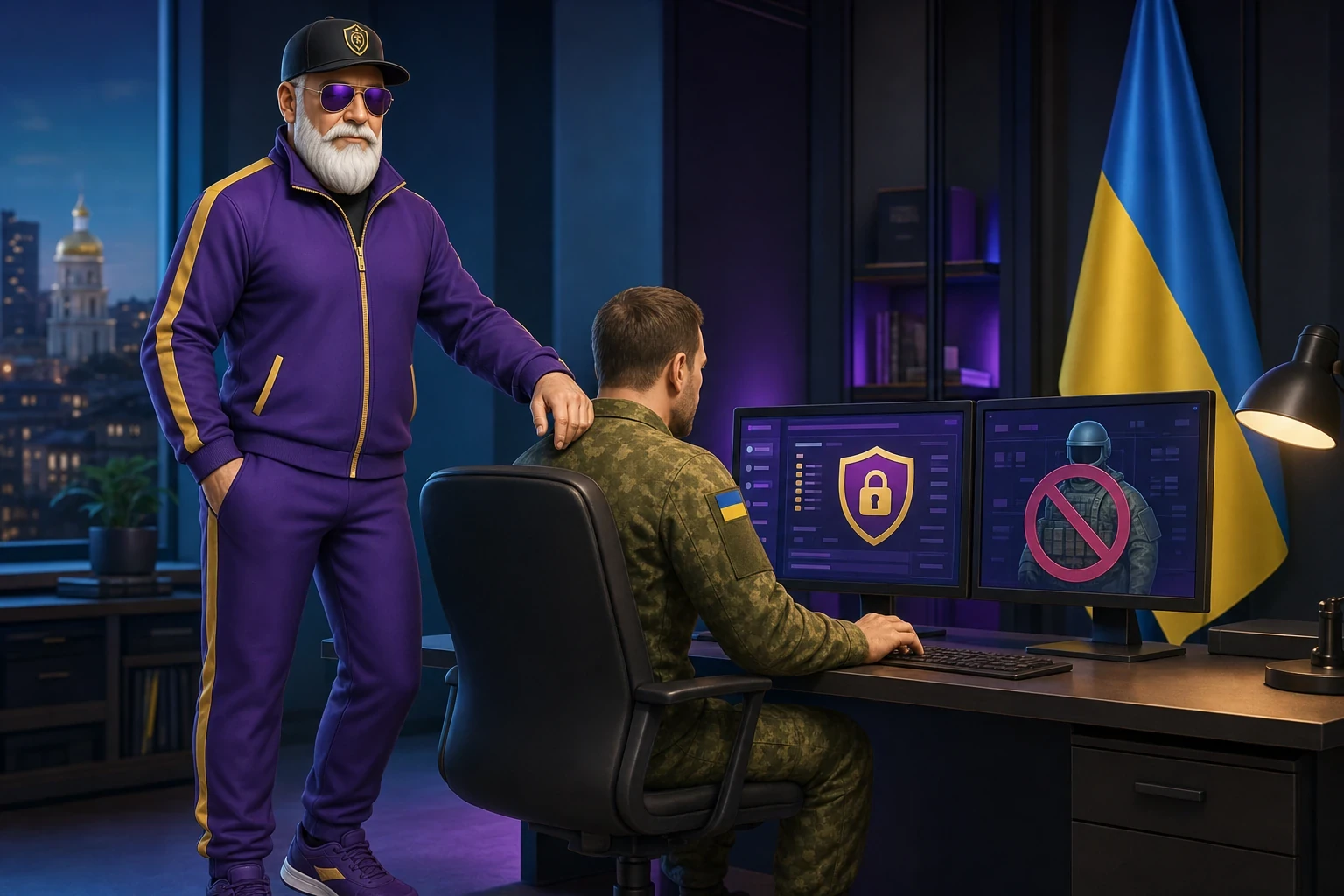
PlayCity has tendered for a software module using the Trembita system to automatically block military personnel from regulated gambling sites and venues. The move counters blackmail risks from Russian operatives and supports combat readiness, targeting implementation by December 24, 2026. Illegal operators targeting soldiers remain the main unresolved vulnerability.
SCCG Take — This integrates gambling regulation with national security infrastructure. Licensed operators face stricter verification, but sustained impact requires coordinated action against illegal sites preying on service members.
Ukrainian gambling regulator PlayCity has launched a tender for a new software module that blocks military personnel from accessing gambling. The step enforces a government directive prompted by concerns over Russian operatives exploiting gambling dependencies for blackmail and the resulting harm to army combat readiness.
Once developed, the Ministry of Defense will handle implementation and enforcement. The module draws on data exchanges between state registers through the Trembita system to verify whether an individual is enlisted.
Account creation will trigger an automated query to the Register of Persons Restricted from Access to Gambling. Matches result in denial of entry to regulated gambling websites and licensed venues. The ministry targets full deployment by December 24, 2026 at the very latest, layering atop prior self-exclusion requirements.
Technical Design and Operational Flow
The system relies on real-time register linkage via Trembita to enforce the prohibition at the point of account registration. This creates an automated barrier for military personnel across both digital and physical licensed channels. According to a report from Gambling News, the approach builds directly on existing guardrails without replacing them.
The Enforcement Gap and Illegal Market Risks
A clear limitation persists with illegal gambling websites that deliberately target vulnerable service members and problem gamblers. Reports indicate both Ukraine and Russia have used honey traps and illicit gambling to gather sensitive information, stage attacks, and weaken opposing combat effectiveness. Mandatory self-exclusion marks an important step, yet the measure cannot reach unlicensed operators that continue to exploit these risks.
The Enforcement Horizon
Regulators and the Ministry of Defense must now prioritize parallel tools to address the illegal segment. Without that extension, the software module’s security benefits will remain partial even after the December 24, 2026 deadline. This effort signals a tighter fusion of gambling controls with defense priorities in active conflict zones.
Reporting: GamblingNews
Generated by SCCG’s automated editorial system from published source reporting. SCCG Management holds editorial responsibility.
This fuses gambling regulation with national security — enforcement stops at licensed borders while illegal sites still exploit soldiers.
We've worked in every regulated market and seen player protection drive policy, but never this tightly woven into defense infrastructure. PlayCity's Trembita linkage shows how regulators adapt when compliance becomes a matter of combat readiness — and where compliance technology still can't reach unlicensed bad actors.
- Software blocks military personnel from regulated sites and venues via real-time state register checks through Trembita system
- Deployment by December 24, 2026, driven by blackmail and combat-readiness concerns tied to Russian intelligence operations
- Illegal operators targeting service members remain outside enforcement reach, limiting overall security impact
SCCG angle: SCCG has placed verification and KYC solutions across Europe and emerging markets. If you're a compliance platform or operator navigating hybrid civilian-defense frameworks, we connect you to the regulators, integrators, and legal teams who understand these crossover mandates — before they become tablestakes in your next license application.
Gaming, betting and prediction markets — the desk’s read, every weekday.
Subscribe →