Little River Band of Ottawa Indians Explores Non-Gaming Uses for Majority of Fruitport Property as Casino Bid Stalls
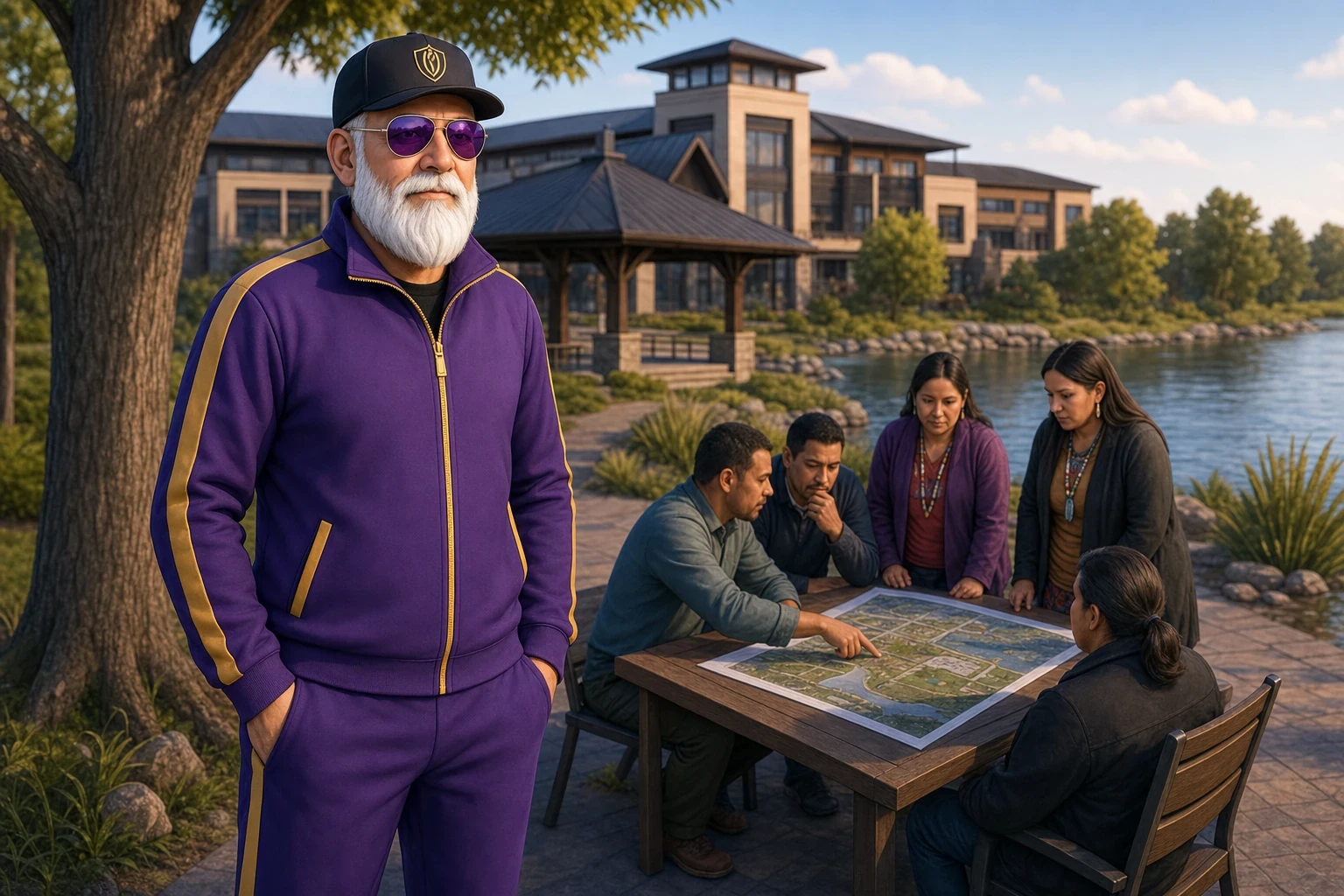
The Little River Band of Ottawa Indians is pursuing alternative projects on 170 of its 230 acres in Fruitport Township while its 15-year casino proposal awaits state approval. The tribe has spent $35 million so far, with costs now near $300 million. Officials eye housing, offices and other uses as Governor Whitmer’s term ends in 2027.
SCCG Take — Extended regulatory delays are forcing tribes to activate non-gaming land uses rather than hold vacant parcels. This pattern favors operators and investors who build contingency development paths into tribal projects from the outset.
The Little River Band of Ottawa Indians is advancing plans for its property in Fruitport Township while a proposed casino there awaits final state and federal decisions. The tribe has pursued the project for more than 15 years. It owns roughly 230 acres along Harvey Street near the intersection of I-96 and U.S. 31. Of that total, 60 acres sit in trust for the casino while the remaining 170 acres remain available for separate development.
Larry Romanelli, Tribal Ogema of the Little River Band of Ottawa Indians, said: “We’ve been trying to have a casino for 15 years plus. We have that land over there in trust. We have 60 acres in trust, and then we have another 170 acres.” He added that the location’s commercial value creates pressure to act. “We’re sitting on prime property right here. It would not be reasonable to keep this just vacant land.”
Alternative Uses Under Consideration
Cleanup has started on the larger parcel. Tribal officials and development partners have identified potential projects including apartments, condominiums, office space and a hospital. Denny Cherette, whose company has backed the effort, pointed to local housing demand and the scale available. “You know how much you can put on 170 acres? A lot of stuff.” Romanelli noted that commercial expansion along Harvey Street has intensified the need for progress on what is now the largest undeveloped site in the area.
Regulatory Uncertainty and Project Economics
The casino plan calls for a 70,000-square-foot gaming floor and a 220-room hotel. Because the site is not on existing tribal land it requires approval under the Indian Gaming Regulatory Act from both federal and state officials. Gretchen Whitmer, Governor of Michigan, declined to support the proposal in 2022 over issues tied to the federal recognition efforts of the Grand River Bands of Ottawa Indians. The original application later expired, requiring updated submissions.
The tribe has spent approximately $35 million on the pursuit. Construction costs have increased to close to $300 million from earlier projections of nearly $200 million. Supporters estimate the full project could produce between 1,500 and 3,000 jobs and roughly $10 million in annual state revenue. Todd Dunham, Fruitport Township Supervisor, cited the potential for 3,000 union jobs and called the delays frustrating.
Romanelli has described the situation as a quandary that requires a clear yes or no from the governor’s office. With Whitmer’s term ending on Jan. 1, 2027, the tribe is monitoring candidates while it moves forward on the non-casino acreage. This account draws from reporting by World Casino News.
Reporting: World Casino News
Generated by SCCG’s automated editorial system from published source reporting. SCCG Management holds editorial responsibility.
Regulatory limbo is forcing tribes to monetize land through non-gaming uses rather than bleed capital holding vacant parcels.
We have worked tribal gaming since the first expansion waves, and this pattern is accelerating nationwide. When state approval drags past a decade and costs triple to 300 million, alternative revenue paths become survival math. Tribes that diversify land use early protect capital and political goodwill while gaming applications move through the system.
- Little River spent $35M over 15 years; casino now priced near $300M with no state approval
- 170 of 230 acres targeted for housing, offices, hospital while 60-acre trust parcel waits
- Governor Whitmer term ends 2027; tribe cannot afford to hold prime commercial land vacant
SCCG angle: SCCG has structured tribal projects across every major jurisdiction and knows which states will actually move applications versus which require parallel revenue paths. For tribes sitting on high-value commercial acreage, we connect the right mixed-use partners and financing sources to activate non-gaming parcels while regulatory tracks play out, protecting capital and community relationships.
Gaming, betting and prediction markets — the desk’s read, every weekday.
Subscribe →