WNBA Betting Incident Exposes Inconsistencies in Player Bans Amid League Gambling Partnerships
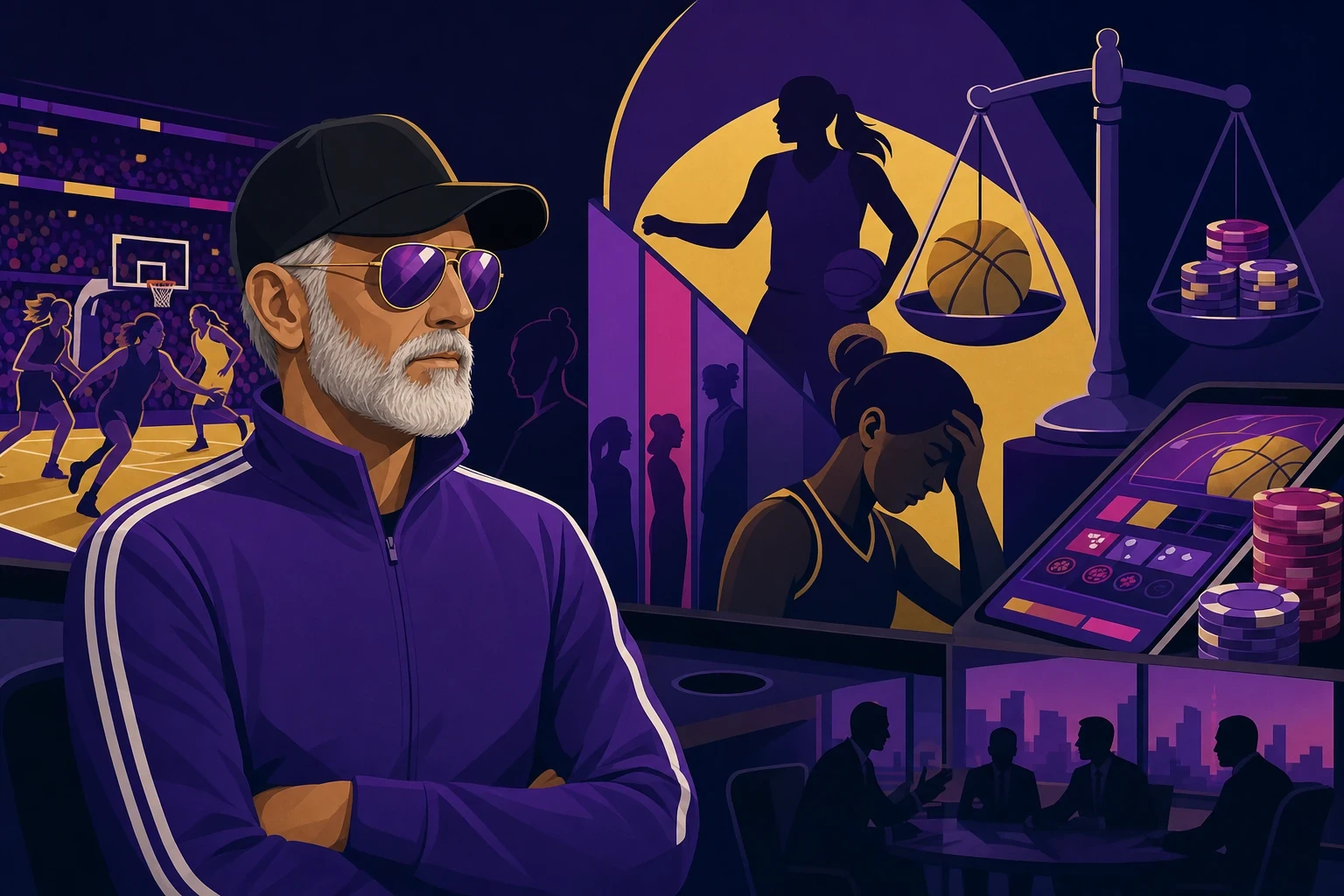
WNBA stars Angel Reese and Paige Bueckers faced no punishment for a publicized $400 friendly bet, despite CBA rules banning wagers on league games. The league maintains partnerships with FanDuel, DraftKings and other operators. Experts call for clearer distinctions between minor player bets and integrity risks like match-fixing.
SCCG Take — Leagues profit from betting ties yet apply zero-tolerance player rules that ignore context and culture. Enforcement must evolve to distinguish real threats or risk undermining credibility with participants and fans alike.
The WNBA publicized then deleted a video of stars Angel Reese and Paige Bueckers making a $400 bet on an upcoming game, prompting questions about the league’s strict player wagering rules at a time when it maintains multiple commercial ties to sports betting operators.
Reese and Bueckers were filmed during All-Star Weekend discussing the wager, with Reese stating “If y’all win, you get the 400” and later clarifying the terms. The league’s social media account promoted the clip, asking “Who you got?” before removing the post. Atlanta won the game 82-81. Reese referenced the bet afterward in a press conference, requesting her Apple Pay. The WNBA called the post lighthearted but one that missed the mark, noting players receive annual training on betting policies. It reemphasized the risks of such conversations. Neither player was punished, according to the Associated Press.
Rules, Partnerships and the Resulting Disconnect
Article XIV, Section 5(c) of the WNBA collective bargaining agreement prohibits players from wagering directly or indirectly or offering to wager on league games, with penalties up to dismissal. The league has official sports betting partnerships with FanDuel and DraftKings and lists Bally Bet, Fanatics Sportsbook, theScore Bet, bet365 and BetMGM as authorized gaming operators. Its CBA permits limited player financial interests in gaming companies and certain endorsements but bars promotion of WNBA-related bets.
Marc Edelman, sports law professor at Baruch College, told CasinoBeats that two individuals betting on themselves in a bona fide contest of skill has never concerned regulators under the Wire Act, state law, UIGEA or PASPA. He called the exchange a fun bet between participants while criticizing leagues for encouraging fans to wager large sums and for ties with betting companies that disguise themselves as traditional investment vehicles.
Where Blanket Bans Meet Enforcement Judgment
Darren Bailey of Charles Russell Speechlys stressed that public perception of athletes betting with inside information undermines trust, favoring simplicity and absolute clarity through a total ban. He noted the closer the commercial links to betting, the greater the need for such clarity, while allowing that sanctions can weigh aggravating and mitigating factors. Paul Greene, founding partner at Global Sports Advocates, described betting rules as operating under strict liability but said intent and circumstances matter for sanctions. He distinguished minor conduct warranting de minimis punishment from match-fixing, citing quarterback Brendan Sorsby’s NCAA ban later reviewed by a judge.
Greene criticized leagues for bright-line rules on players while accepting money from betting entities, calling the surrounding culture one where ESPN has become a sportsbook. The incident leaves leagues with a rule that is straightforward to write but complicated to enforce proportionally amid the gambling culture they have helped create. Proportional approaches that distinguish actual threats to competition will draw closer attention as partnerships expand.
Reporting: Casino Beats
Generated by SCCG’s automated editorial system from published source reporting. SCCG Management holds editorial responsibility.
Leagues cash in on betting partnerships yet apply zero-tolerance rules that ignore context—enforcement must evolve or credibility erodes.
We're wiring integrity systems, compliance frameworks and data partnerships across every major league and operator. When enforcement lags culture and commercial reality, the disconnect creates risk—for brands, for trust, for the bets themselves. This moment exposes a policy model overdue for nuance.
- Angel Reese and Paige Bueckers made a public $400 bet; WNBA promoted then deleted it, no discipline issued
- WNBA CBA bans player wagers on league games; league partners with FanDuel, DraftKings, five other operators
- Legal experts call for rules distinguishing friendly bets from integrity threats like match-fixing
SCCG angle: SCCG connects leagues, operators and integrity vendors daily. When rules and reality drift apart like this, we help stakeholders architect policies that protect the game and the business—bridging legal, commercial and cultural ground with the people who've actually built these frameworks at scale.
Gaming, betting and prediction markets — the desk’s read, every weekday.
Subscribe →