UNLV Announces Oral History Project to Document Stories of Ten Nevada Bookmakers
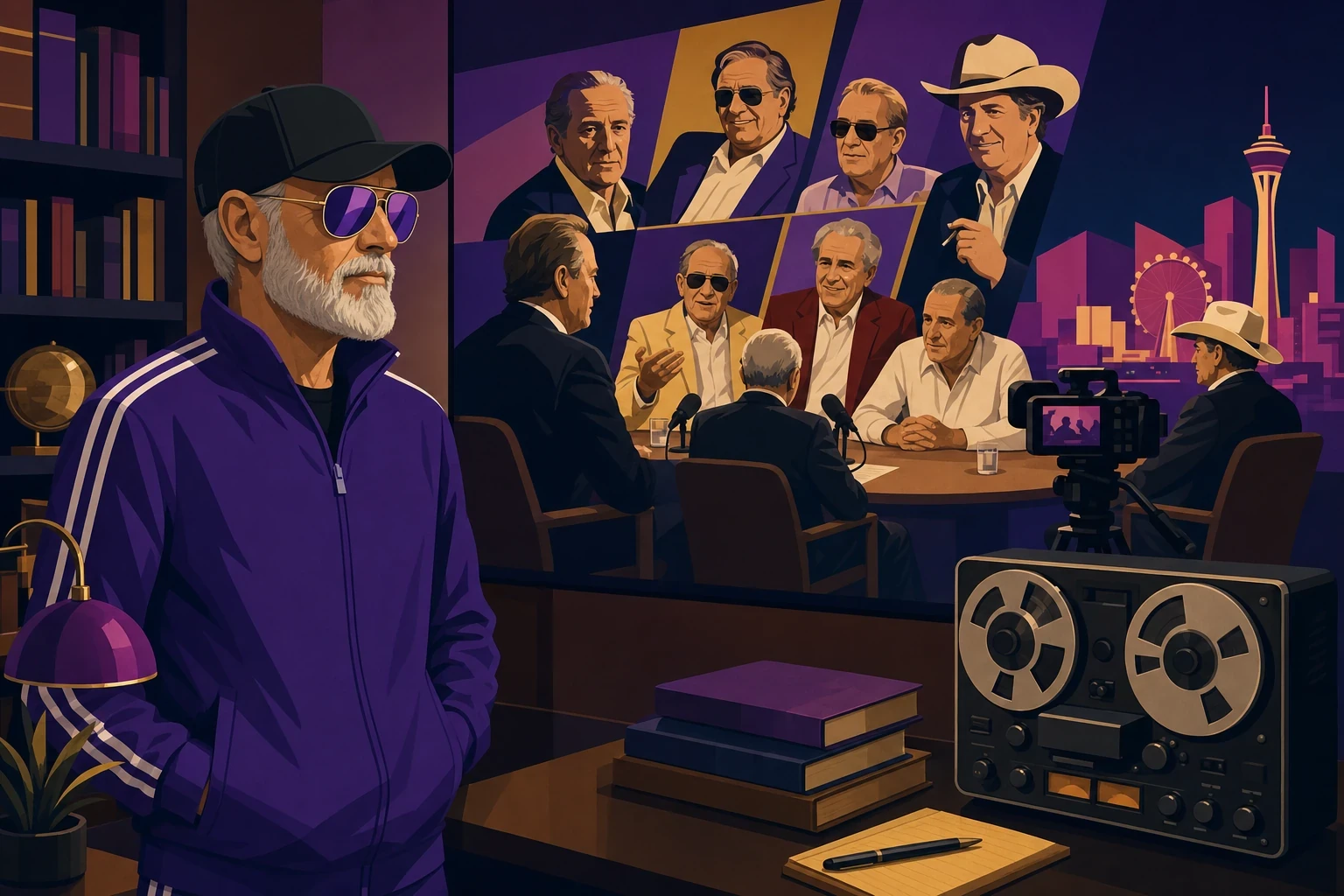
UNLV launched an oral-history project on August 10 to record 10 Nevada bookmakers. Richard Schuetz initiated the effort with David G. Schwartz to capture traditional sports betting accounts before they are lost. Transcripts will be released sequentially on the UNLV site within one year.
SCCG Take — The project locks in firsthand regulatory and operational history amid industry automation. It supplies operators and regulators with unfiltered context on practices that still shape compliance and market structure.
On August 10, the University of Nevada-Las Vegas announced an oral-history project profiling 10 Nevada bookmakers, still to be named. Interviews will be conducted by gaming historian David G. Schwartz and veteran casino executive and regulator Richard Schuetz.
The project originated with Schuetz after his recent return to Nevada. He noted that little had been done to document the state’s sports betting history and resolved to address the gap by partnering with Schwartz, whom he has known for over 20 years.
Capturing Traditional Sports Betting Before It Changes
“The essence and history of traditional sports betting, we’d better get it captured soon,” Schuetz said. “A lot of these guys are getting older, including me.”
Schuetz’s interest in oral history traces to his graduate-school days at the University of Nevada-Reno. Faculty there directed him to the reminiscences of Ed Olsen, Nevada Gaming Control Board chairman from 1960 to 1966 under Gov. Grant Sawyer. Schuetz was drawn to Olsen’s accounts of Mob involvement in casinos, including FBI surveillance tactics learned from discarded trash.
At the Stardust, Schuetz dealt with oddsmakers and recalled the casino’s 11 pay phones jammed with bookies. “They were the highest revenue-producing pay phones in the world!” While at the Frontier in 1986, he met veteran oddsmaker Michael “Roxy” Roxborough, who supplied lines to most Silver State casinos from 1982 to 1999 and is underwriting the current project.
Schuetz and Schwartz will select the subjects with input from an as-yet-unnamed advisory committee. They rejected writing conventional memoirs, preferring oral histories for candor. Interview subjects will be able to review transcripts and withhold select information.
Release Timeline and Scope
UNLV’s Oral History Research Center will transcribe the interviews and make them globally available on the university website, released one at a time. The team aims to publish the 10 discussions within a year. Schuetz joked that his ideal timeline would be “before I die.”
Schwartz stated in a press release that oral histories help communities understand their culture and that “the development and evolution of sports betting is an important chapter in the history of Las Vegas.” As sports betting expands nationwide, the project chronicles where it began. This coverage draws from reporting by CDC Gaming.
Reporting: CDC Gaming
Generated by SCCG’s automated editorial system from published source reporting. SCCG Management holds editorial responsibility.
This captures regulatory DNA and operational folklore that shaped Nevada betting—context you can't pull from a compliance manual.
We've built 545 partnerships by understanding how markets really work, not just how they're documented. These interviews preserve the unwritten rules, the enforcement philosophy, and the competitive practices that still echo in today's compliance frameworks and market behavior. That institutional memory is strategic capital.
- UNLV and Richard Schuetz will interview 10 Nevada bookmakers; transcripts public within one year
- Project funded by oddsmaker Roxy Roxborough, who supplied lines to most Nevada casinos 1982–1999
- Oral format chosen over memoir for candor; subjects may review and redact before release
SCCG angle: SCCG connects operators to the regulatory veterans and old-line bookmakers who built Nevada's framework. When you need to understand why a rule exists or how enforcement actually behaves, we broker those conversations—this project just codifies what we already tap into for our clients.
Gaming, betting and prediction markets — the desk’s read, every weekday.
Subscribe →