Bally’s Las Vegas Casino Resort Misses 2028 Athletics Debut Under Nevada Gaming Control Board Mandates

Bally’s Las Vegas resort will not open with the 2028 Athletics ballpark. The operator is prioritizing infrastructure, retail and entertainment to satisfy Nevada Gaming Control Board obligations in the initial phase of its multi-phase project. This highlights regulatory mandates driving capex sequencing in stadium-anchored integrated resorts.
SCCG Take — Nevada Gaming Control Board infrastructure rules force phased capital allocation that can delay full resort revenue. Operators pursuing similar US projects must build regulatory timelines into models or risk mismatched execution against sports venue debuts.
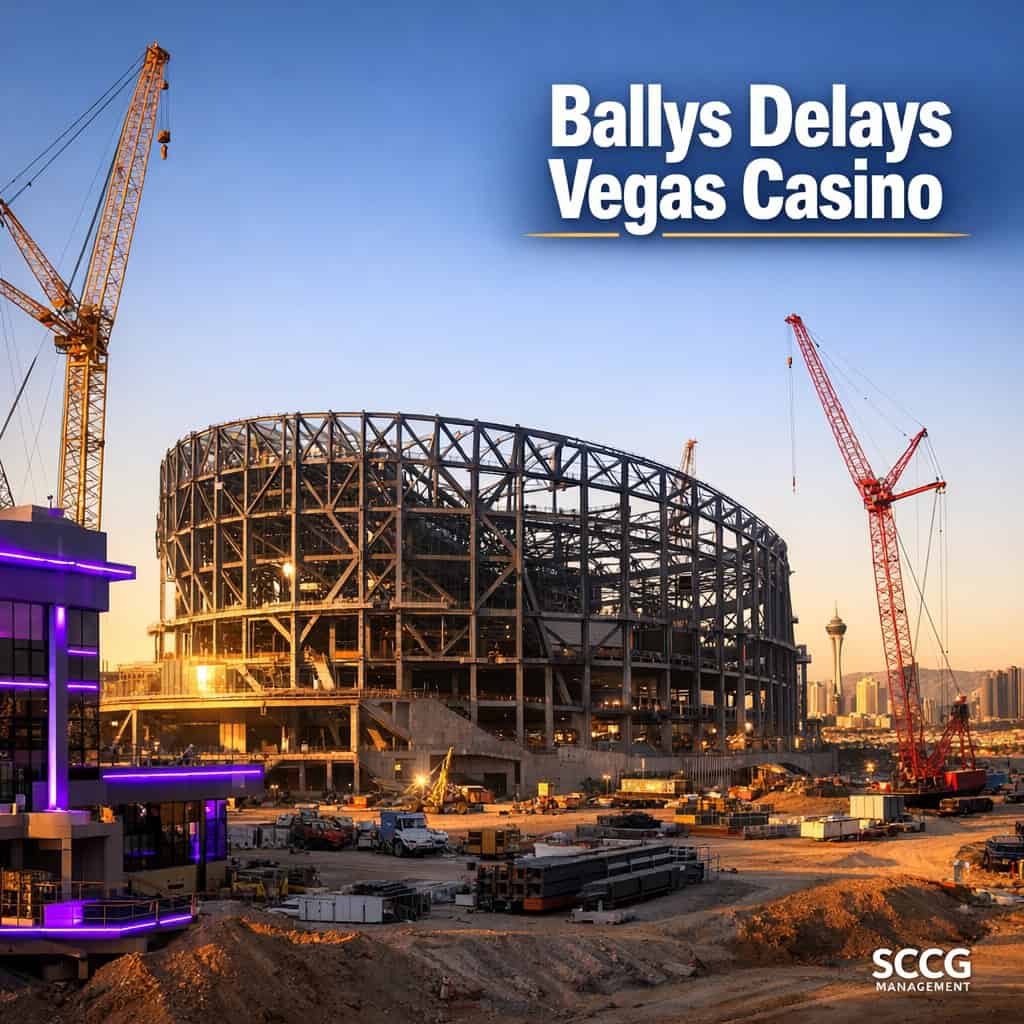
Bally’s Las Vegas Casino Resort Slips Past 2028 Athletics Debut Under Nevada Gaming Control Board Infrastructure Mandates
The data is clear. The new Bally’s Las Vegas resort will not open in time for the 2028 debut of the new Athletics ballpark. Executives and regulatory discussions confirm the operator will prioritize infrastructure, retail and entertainment areas surrounding the stadium first.
The casino resort portion follows in a later phase of the multi-phase project. This sequencing reflects specific obligations to complete a fair amount of infrastructure investment for opening day. The details emerged during a recent Nevada Gaming Control Board meeting.
This Week in Gambling reported the update. It reveals how capex phasing intersects with regulatory demands in major Las Vegas developments.
Nevada Gaming Control Board Mandates Shape Initial Phase
The Nevada Gaming Control Board requires operators to meet defined infrastructure commitments. Legal counsel for the operator explained these obligations in the meeting. A fair amount of investment must be completed for the ballpark opening day.
This sets the baseline for what the initial phase must deliver. The Board’s focus ensures foundational elements are ready. Bally’s is aligning its timeline accordingly.
Project Sequencing Around the Sin City Stadium
The multi-phase structure puts infrastructure, retail and entertainment first. These components support the 2028 Athletics ballpark debut. The full casino resort comes afterward.
This order lets the operator satisfy opening day requirements without rushing the gaming element. The stadium acts as the immediate anchor. Subsequent phases build on that base.
The approach separates sports-driven development from traditional resort operations. It is a practical response to the regulatory framework in place.
Supplier-Side View of Phased Integrated Resort Rollouts
From the supplier side this kind of regulatory-driven phasing creates clear operational priorities. Systems and infrastructure scale to the first deliverables. Casino-specific integrations follow in later stages.
I see the logic in front-loading what the Nevada Gaming Control Board mandates. It controls scope and reduces overlap in execution. The model avoids overloading the initial timeline.
In my experience with sportsbook and iGaming platform work such sequencing protects overall project integrity. The ballpark draws traffic early. The casino component can activate once the foundation proves stable.
Competitive Dynamics and Capital Deployment Signals
Bally’s decision carries weight for other operators pursuing stadium-linked resorts. Capital must deploy in stages that satisfy both market opportunities and state mandates. The 2028 ballpark sets one clock while infrastructure rules set another.
Prioritizing non-casino elements first may alter early competitive positioning in the Las Vegas market. Visitors arrive for the Athletics without the full resort package. Operators need to assess how that gap affects positioning.
The case shows regulatory obligations can override a synchronized grand opening. This influences how funds flow across project phases.
Where Execution Risk Resides
Risk sits in the gap between the ballpark debut and the delayed casino resort. The initial phase delivers infrastructure and retail but leaves gaming offline. That mismatch could temper immediate commercial momentum from stadium traffic.
Counter to that the Nevada Gaming Control Board obligations are non-negotiable. Falling short on infrastructure would trigger larger delays or compliance issues. Bally’s has chosen the sequenced path to mitigate that exposure.
The limitation is real. Partial delivery in 2028 tests whether the surrounding development alone sustains interest until the resort phase activates.
Capital Allocation Realities for US Integrated Resorts
This Bally’s Las Vegas update demonstrates how Nevada Gaming Control Board mandates directly dictate capital phasing in large projects. Operators must sequence investments to meet infrastructure thresholds first then layer on casino capacity. The Athletics stadium adds urgency to the early stage without requiring the full resort.
The pattern has implications for how gaming capital allocates across similar US state developments. Flexibility in phasing becomes a core competency. Those who model regulatory timelines accurately will hold an edge in execution and returns.
The industry will watch subsequent phases closely. This project tests whether the mandated infrastructure-first model delivers on both compliance and commercial objectives.
Reporting: New Bally’s Las Vegas Won’t Open with Stadium (www.thisweekingambling.com)
Nevada gaming regs force phased capex timelines that can delay resort revenue against sports venue debuts.
We track integrated resort development across every regulated market. When gaming boards mandate infrastructure priorities upfront, operators face hard sequencing choices. Bally's shows how regulatory obligations reshape project timelines—a lesson for anyone building stadium-anchored properties.
- Nevada Gaming Control Board infrastructure mandates drive phased capital allocation ahead of full resort opening
- Regulatory compliance sequencing can slip venue launch timelines despite shared real estate anchors
- Operators must embed regulatory timelines into financial models to sync capex with sports venue debuts
SCCG angle: We've got relationships across Nevada regulators and 150+ gaming partners navigating similar builds. When you're planning a stadium-anchored resort, we help you map regulatory sequencing against your venue timeline upfront—so you're not caught flat-footed by board mandates late in permitting.
Gaming, betting and prediction markets — the desk’s read, every weekday.
Subscribe →