New Tribal Gaming and Hospitality Program Connects Southeastern to UNLV
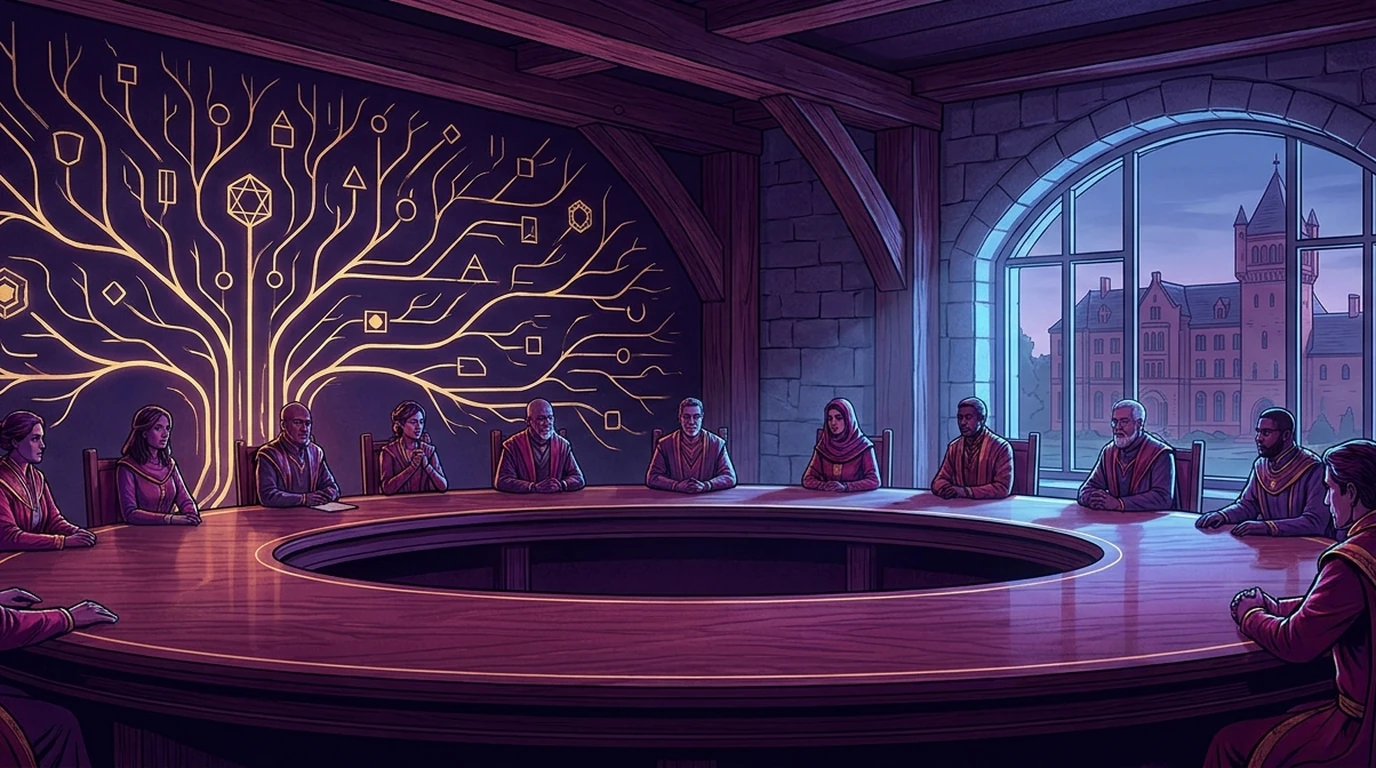
The new “tribal gaming and hospitality program” at Southeastern Oklahoma State University marks a significant collaboration, as Southeastern partners with University of Nevada, Las Vegas (UNLV) to launch a Tribal Gaming and Hospitality Program that gives students a unique academic pathway into a growing industry.
A Strategic Partnership Forging Real Opportunities
Under the agreement, students at Southeastern will be able to begin coursework locally and then transfer credits seamlessly into UNLV’s William F. Harrah College of Hospitality either in person or online.
This is a meaningful move for students in Oklahoma who seek careers in tribal gaming and hospitality enterprises: it ties education directly to a major industry sector with local relevance.
Why the Tribal Gaming and Hospitality Program Matters
The “Tribal Gaming and Hospitality Program” is more than a new degree pathway, it reflects a broader shift in higher education responsiveness to local industry and community needs. In Oklahoma, tribal gaming and hospitality operations are major employers and significant economic contributors; having a specialized program means students can enter roles with meaningful preparation.
For Southeastern, the program aligns with its mission of providing accessible education, especially for first-generation students and those with ties to tribal communities. For UNLV, it extends its Tribal Education Initiative, strengthening connections with tribal nations in different states.
What the Program Offers Students
Students enrolling in the Tribal Gaming and Hospitality Program will benefit from several distinct features:
- A 2 + 2 articulation: Start at Southeastern, complete at UNLV, in person or via online.
- Coursework blending business, hospitality management, and tribal enterprise contexts, preparing graduates for leadership and operational roles in tribal gaming and hospitality settings.
- Greater accessibility: Instead of relocating immediately, students can begin in Oklahoma and then transition, potentially reducing initial cost and disruption.
- A direct tie to real-world industry: internships, field experiences, working with tribal enterprises, all aspects that make the educational path more grounded and practical.
Benefits for Tribal Nations and Local Communities
The program also holds promise for the tribal nations of Oklahoma and the surrounding region. By building an educational pipeline tailored to tribal gaming and hospitality operations, the program can help:
- Equip local students for management and leadership roles within tribal enterprises.
- Strengthen the workforce base for tribal gaming and hospitality businesses, which rely on skilled talent to operate effectively.
- Support economic development in tribal communities through leveraging educated professionals steeped in both hospitality business practices and tribal enterprise contexts.
Considerations and Expectations
There are a few considerations and potential outcomes to keep in mind:
- Students interested in the program should pay attention to details such as admission requirements, transfer credit policies, and whether the online or in-person option is the right fit for them.
- The success of the program will depend on how effectively the partnership between Southeastern and UNLV is leveraged, faculty collaboration, immersive experiences, and industry connections will make a difference.
- As the traineeship grows, tracking job placements and career outcomes will be important in demonstrating the value of the program to future applicants.
- Finally, for the tribal nations themselves, engagement in the program, such as internships, advisory input, or recruitment of graduates, will likely amplify the program’s impact.
In summary, the Tribal Gaming and Hospitality Program launched by Southeastern Oklahoma State University in partnership with UNLV represents a thoughtful, well-targeted initiative to align education with industry and community needs. It offers students a practical pathway into a dynamic field, supports tribal economies, and stands as a model of how regional institutions can collaborate to expand opportunities.
Learn more about Tribal Gaming at SCCG:
Direct pipeline from Oklahoma classroom to tribal gaming careers fills a real talent gap in the industry.
We're seeing higher education finally align with where the gaming dollars actually flow. Tribal gaming operations across Oklahoma are major employers, and this partnership puts students exactly where they need to be without leaving home first. That's how you build sustainable talent.
- Students start at Southeastern, transfer seamlessly to UNLV's hospitality college locally or online
- Tribal gaming is a major Oklahoma employer with real advancement pathways in operations and management
- Direct connection between academic track and indigenous gaming sector addresses long-standing talent shortage
SCCG angle: We work with operators across tribal markets—this program helps you source trained, motivated talent pipeline from day one. We can connect you with placement opportunities and help shape curriculum feedback through our network of 150+ partners.
Gaming, betting and prediction markets — the desk’s read, every weekday.
Subscribe →