Meet Your New Avatar: How AI Micro-Influencers Are Quietly Reshaping Influence in Gaming
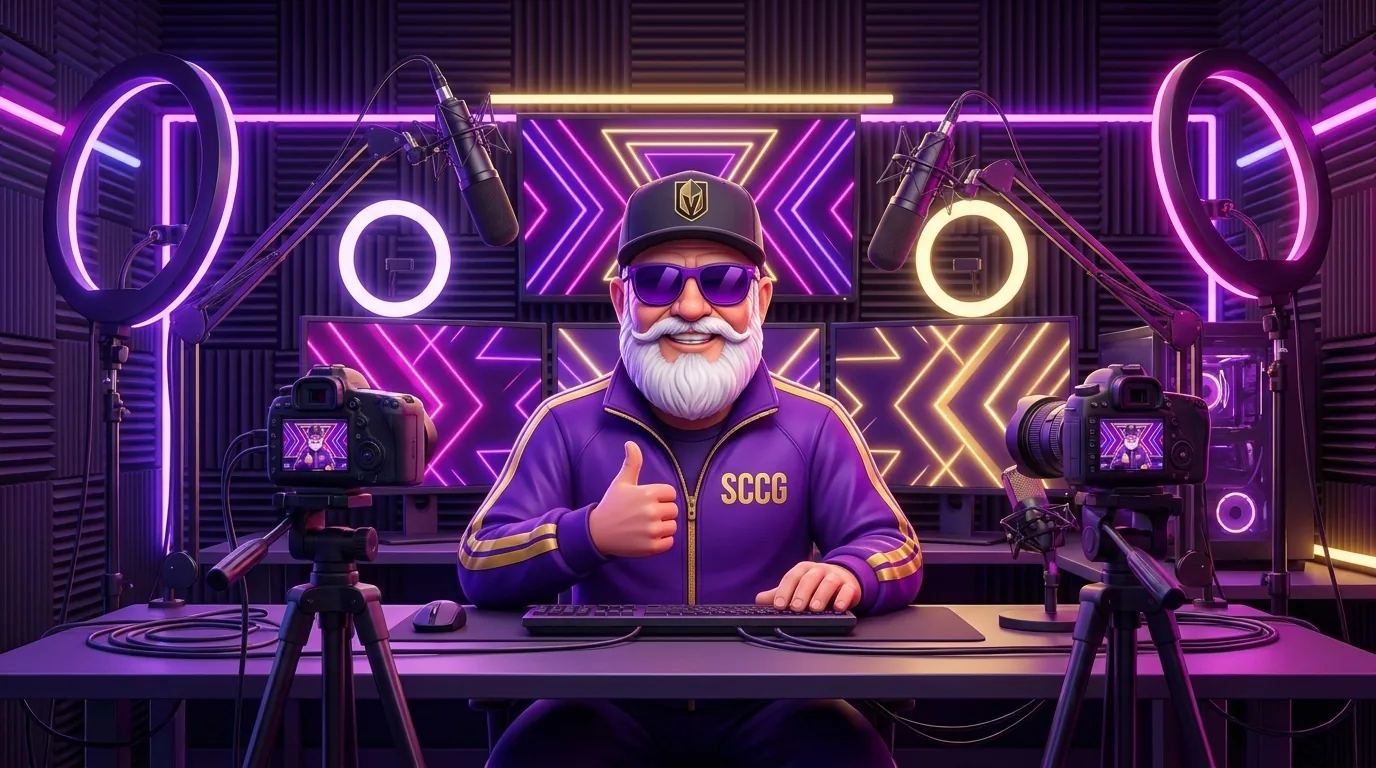
The influencer economy is evolving faster than anyone could have predicted. We started with celebrities, then shifted to macro and micro creators, and now we’re entering an era where influencers don’t even need to be human. Artificial Intelligence micro-influencers—AI-powered personas that look, act, and engage like real people—are beginning to redefine how communities connect, and nowhere is this shift more relevant than in the gaming industry.
Today, we’re experimenting ourselves with the launch of a retro Stephen Crystal AI influencer account. It’s a pilot designed to test the waters, but the broader story is what matters: AI influencers aren’t a gimmick. They’re signaling the next wave of community engagement in gaming, and if you’re an operator, brand, or studio, this is a trend you can’t afford to ignore.
What Is an AI Micro-Influencer?
At its core, an AI micro-influencer is a virtual persona created to act like a niche creator—someone who might only reach thousands instead of millions, but whose influence runs deep within their community. Instead of being a person behind a screen, these influencers are built on advanced AI models. They post, interact, and even hold conversations, powered by data and personality frameworks designed to resonate with specific audiences.
This goes far beyond brand mascots or marketing avatars. These AI personalities can respond in real time, create content at scale, and evolve based on audience feedback. In gaming, where community is everything, the potential is enormous. Imagine an AI persona that “lives” inside a casino app, engages with players in Discord, or becomes part of an esports broadcast. It’s engagement without sleep, downtime, or scandal.
Why Gaming Is the Perfect Test Bed
Gaming has always been about immersion. Players don’t just consume games—they live inside them. Communities form around Twitch streams, Discord servers, esports tournaments, and even the comment sections of patch notes. Into this environment, AI micro-influencers fit naturally.
For operators, AI micro-influencers can provide round-the-clock presence, speaking to players across time zones and platforms without human fatigue. For publishers, these avatars can embody in-game characters that extend their presence into social channels, blending entertainment with brand promotion. For esports organizations, they can act as ever-available hype agents or team personalities.
The 24/7 nature of gaming makes this especially attractive. Traditional influencer campaigns are limited by time zones, burnout, and availability. AI personalities can cover the gaps, ensuring constant activity while reducing reliance on unpredictable human schedules.
The State of Play Today
So where are we right now? AI influencers are still in their early stages, mostly seen in lifestyle and fashion. Virtual influencers like Lil Miquela proved years ago that audiences are willing to engage with non-human personalities. The next iteration—AI-driven influencers who can hold authentic conversations—has begun trickling into gaming and entertainment.
Brands experimenting with AI personas have seen strong engagement metrics, particularly around novelty and interactivity. But the challenges are clear: authenticity and trust remain hurdles. Communities want transparency, and the risk of backlash grows if an AI personality crosses lines or feels “too fake.” The lesson so far: disclosure matters, and personality design is everything.
Where This Is Headed in the Next Few Years
Looking ahead two to three years, several trends are clear:
- Realism will explode. Advances in generative AI mean avatars will look and sound nearly indistinguishable from real people. This will make their presence more immersive, but will also intensify debates around authenticity and disclosure.
- Hybrid models will dominate. The most successful AI influencers won’t operate entirely on their own. Humans will co-manage them, stepping in for high-stakes interactions while leaving day-to-day engagement to AI.
- In-game presence will rise. Expect to see AI micro-influencers move beyond Instagram or TikTok into actual game environments. Imagine casino NPCs that double as influencer accounts or esports avatars that promote events in real time.
- Localization will become standard. Instead of one global avatar, gaming brands will roll out multiple AI micro-influencers tailored to different regions, genres, and communities—each with unique voice, personality, and cultural nuance.
- Revenue channels will expand. These influencers won’t just build engagement; they’ll drive monetization through branded skins, sponsored digital goods, and even AI-led virtual events that blend marketing with gameplay.
The Challenges Ahead
None of this comes without challenges. The biggest is trust. Audiences already demand transparency from human influencers, and they will demand even more clarity when engaging with AI personas. If communities feel misled, the backlash could erase years of credibility.
Another issue is governance. Who owns the rights to an AI persona? What happens if it’s misused or cloned? Legal and regulatory frameworks are far from catching up, and gaming—with its global reach—adds layers of complexity.
Finally, there’s the cultural question. Gaming thrives on authenticity. Communities are quick to call out anything that feels corporate or artificial. Success will depend on how well AI influencers can blend with real players, creators, and fans without alienating them.
Our Own Step Into the Future
This is why our own experiment is so important. By launching a retro Stephen Crystal AI influencer account, we’re testing how audiences engage, how far personality design can go, and how the balance between novelty and authenticity plays out in a real gaming community. This isn’t about replacing human voices. It’s about extending them, scaling engagement, and exploring a new frontier of connection.
The learnings will shape how we—and others in the gaming ecosystem—integrate AI personas in ways that build value for brands, operators, and communities.
Why You Should Pay Attention
AI micro-influencers may sound like a futuristic add-on today, but in just a few years they will be a standard tool in gaming’s marketing and community playbook. They’ll fill the gaps left by human influencers, create new engagement models, and open up monetization channels we haven’t even imagined yet.
If you’re in the business of gaming, the message is simple: start paying attention now. Experiment small, establish guardrails, and involve your community early. Because when the next wave of influence takes hold, it won’t be about whether you adopt AI micro-influencers. It will be about how effectively you use them to stay ahead in an industry that never sleeps.
AI influencers represent real community engagement shift; operators ignoring this miss competitive advantage.
We're watching the influencer economy fundamentally reshape itself. AI micro-personas aren't gimmicks—they're scalable, always-on community connectors that gaming operators can deploy today. This isn't hype; it's infrastructure changing in real time, and our network sees operators already experimenting.
- AI micro-influencers engage like real people but operate 24/7 without fatigue or controversy risk
- Gaming communities reward authentic engagement—AI personas built right hit that mark at scale
- Early movers get community footprint; laggards inherit saturated influencer market
SCCG angle: Our 150+ partner network spans operators, studios, and marketing teams already asking about AI talent deployment. We can connect you to operators running AI influencer pilots and show you what's actually working versus what's theater—real intelligence from the ground.
Gaming, betting and prediction markets — the desk’s read, every weekday.
Subscribe →